The Shift Toward Purpose-Driven Design
Interior design is no longer just about aesthetics; it has become a reflection of how people live, work, and recharge within their spaces. Today’s most impactful interior design trends are rooted in purpose, blending functionality with emotional well-being. Homes are evolving into environments that support productivity, relaxation, and connection all at once. Designers are increasingly prioritizing layouts and materials that serve a clear role. Instead of purely decorative choices, homeowners are asking how each element contributes to daily life. This shift is driving trends that focus on usability, adaptability, and long-term comfort. The result is a new era of interiors that feel intentional rather than ornamental.
A: Warm, functional spaces with natural materials and integrated technology.
A: Yes, but with more defined zones for function and privacy.
A: Use light colors, mirrors, and multi-functional furniture.
A: Yes, but it has evolved into a warmer, more livable style.
A: Natural wood, stone, and sustainable materials.
A: Critical—it defines mood, function, and spatial perception.
A: No, adapt them to your lifestyle and preferences.
A: Functional layouts, quality materials, and timeless design.
A: Simplify design, update lighting, and use cohesive materials.
A: Yes, when integrated seamlessly into the design.
Nature-Inspired Interiors and Biophilic Living
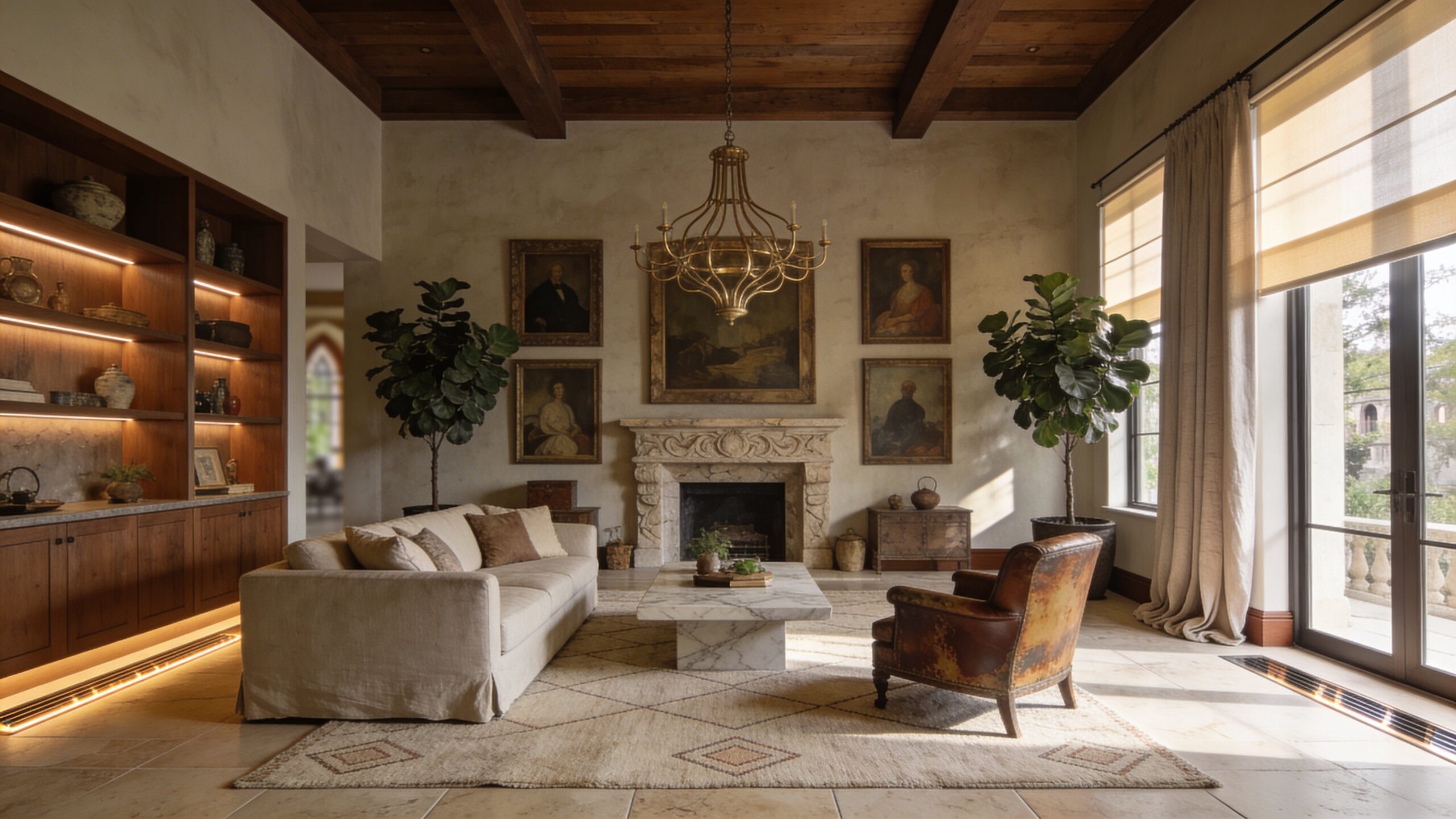
One of the most transformative interior design trends is the integration of nature into living spaces. Biophilic design is no longer a niche concept; it is becoming a standard approach in modern homes. Natural materials like wood, stone, and linen are being used not only for their visual appeal but also for the calming atmosphere they create.
Large windows, indoor plants, and organic shapes are redefining interiors by blurring the line between indoors and outdoors. Light plays a central role in this trend, with homeowners maximizing natural daylight to create spaces that feel open and alive. This connection to nature has proven to improve mood and well-being, making it one of the most enduring movements in design today.
Warm Minimalism Replacing Cold Simplicity
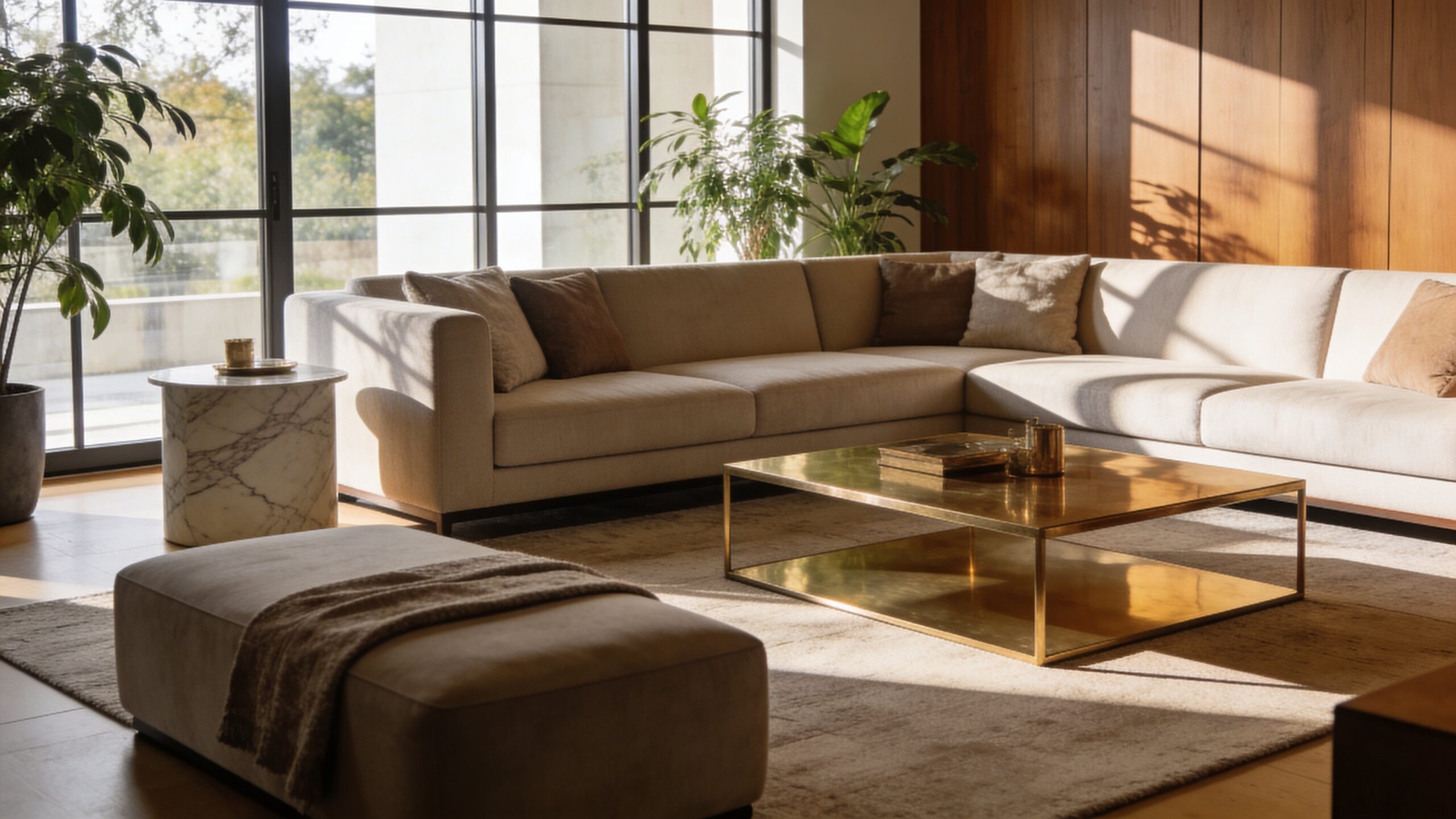
Minimalism is evolving. The stark, cold interiors of the past are giving way to warm minimalism, a trend that retains simplicity while introducing softness and comfort. Neutral color palettes are still dominant, but they are now layered with warm undertones, textured fabrics, and natural finishes. This approach allows spaces to feel uncluttered without feeling empty. Furniture choices emphasize comfort and craftsmanship, while décor is curated rather than eliminated. Warm minimalism strikes a balance between restraint and richness, offering a timeless aesthetic that feels welcoming and livable.
Multi-Functional Spaces for Modern Living
As lifestyles become more dynamic, homes are adapting to serve multiple purposes. One of the most practical interior design trends is the rise of multi-functional spaces. Living rooms double as offices, dining areas transform into creative workstations, and guest rooms are designed with flexibility in mind.
This trend is driven by the need for efficiency, especially in urban environments where space is limited. Furniture is becoming more versatile, with pieces designed to serve multiple roles without compromising style. The goal is to create spaces that can evolve throughout the day, supporting a range of activities without requiring constant reconfiguration.
Smart Technology Seamlessly Integrated
Technology is playing an increasingly important role in interior design, but the focus has shifted toward seamless integration. Instead of visible gadgets, smart features are being embedded into the design itself. Lighting, climate control, and entertainment systems are now controlled intuitively, often without disrupting the visual flow of a room. This trend is about enhancing convenience while maintaining a clean aesthetic. Hidden charging stations, automated window treatments, and voice-controlled environments are becoming standard in modern homes. The integration of technology is no longer a statement; it is an expectation.
Sustainable and Eco-Conscious Design
Sustainability has become a defining factor in interior design decisions. Homeowners are prioritizing materials and practices that reduce environmental impact while maintaining high standards of quality and style. Reclaimed wood, recycled materials, and energy-efficient systems are increasingly common.
This trend goes beyond materials to include long-lasting design choices. Instead of following short-lived fads, homeowners are investing in timeless pieces that will endure. Sustainability is shaping not only what homes look like but also how they are built and maintained.
Statement Lighting as a Design Anchor
Lighting has evolved from a functional necessity to a central design feature. Statement lighting fixtures are being used to define spaces and create visual interest. Oversized pendants, sculptural chandeliers, and layered lighting schemes are transforming the way rooms are experienced. This trend emphasizes the importance of ambiance. Different lighting layers are used to adapt a space to various moods and activities. The right lighting can elevate even the simplest interiors, making it one of the most impactful design elements available.
Rich Textures and Layered Materials
Texture is becoming a key component of interior design, adding depth and complexity to spaces. Instead of relying solely on color, designers are using a mix of materials to create visual interest. Soft textiles, rough stone surfaces, and smooth finishes are combined to achieve a balanced look.
Layering textures allows rooms to feel more dynamic and engaging. It also enhances the tactile experience of a space, making it more inviting. This trend reflects a broader shift toward sensory design, where how a space feels is just as important as how it looks.
Personalized and Curated Interiors
Homes are becoming more personal, moving away from generic design toward curated environments that reflect individual tastes and experiences. This trend encourages homeowners to incorporate meaningful objects, art, and design elements that tell a story. Instead of following a single style, interiors are becoming more eclectic and layered. The focus is on authenticity rather than perfection. This approach allows for greater creativity and results in spaces that feel unique and deeply connected to their occupants.
Open Spaces with Defined Zones
While open floor plans remain popular, they are evolving to include more defined zones. Instead of completely open layouts, designers are using furniture placement, lighting, and architectural elements to create distinct areas within a space.
This trend addresses the need for both openness and privacy. It allows for better organization and functionality while maintaining a sense of flow. Defined zones make it easier to adapt spaces for different activities without sacrificing cohesion.
Earthy Color Palettes and Natural Tones
Color trends are shifting toward earthy tones that create a sense of calm and stability. Shades of beige, terracotta, olive green, and warm gray are becoming increasingly popular. These colors complement natural materials and contribute to a cohesive, grounded aesthetic. Earthy palettes are versatile and timeless, making them a practical choice for long-term design. They also provide a neutral backdrop that allows other design elements to stand out. This trend reflects a broader desire for comfort and simplicity in the home.
Wellness-Focused Design
Wellness is becoming a central consideration in interior design. Spaces are being designed to support mental and physical health, with an emphasis on comfort, light, and air quality. This includes everything from ergonomic furniture to layouts that promote relaxation.
Designers are also incorporating elements that reduce stress, such as calming colors and natural materials. The goal is to create environments that enhance well-being rather than detract from it. This trend is particularly relevant as people spend more time at home.
The Return of Craftsmanship and Detail
In an age of mass production, there is a renewed appreciation for craftsmanship and detail. Handcrafted furniture, artisanal finishes, and custom design elements are gaining popularity. These features add character and authenticity to interiors. This trend emphasizes quality over quantity. Instead of filling spaces with generic items, homeowners are investing in pieces that have a story and a sense of permanence. Craftsmanship adds depth and richness to interiors, making them feel more considered and complete.
Blending Indoor and Outdoor Living
The boundary between indoor and outdoor spaces is becoming increasingly fluid. Large glass doors, outdoor living areas, and seamless transitions are redefining how homes are designed. This trend extends the living space and enhances the connection to nature.
Outdoor areas are being designed with the same attention to detail as interior spaces. Comfortable furniture, lighting, and décor are used to create cohesive environments. This approach allows homeowners to enjoy their surroundings in new and meaningful ways.
The Future of Interior Design Trends
Interior design is entering a period of rapid transformation, driven by changing lifestyles and technological advancements. The trends shaping homes today are focused on adaptability, sustainability, and personal expression. As these influences continue to evolve, interiors will become even more responsive to the needs of their occupants. The future of design lies in creating spaces that are not only beautiful but also functional and meaningful. By embracing these trends, homeowners can create environments that enhance their daily lives and stand the test of time.