

Landscape Architecture is where the natural world and human creativity meet—an evolving design field that transforms outdoor environments into purposeful, beautiful, and sustainable spaces. On Redford Street, this category explores the ideas, materials, and modern strategies shaping landscapes today, from intimate residential gardens to expansive public parks and restored ecological systems. Here, you’ll discover how designers weave together plants, structures, pathways, water features, and natural landforms to create spaces that feel both intentional and alive. Landscape Architecture isn’t just about aesthetics; it’s about crafting outdoor experiences—places that support wellness, deepen community connection, and respond to changing climates with resilience. Whether you’re dreaming of a serene backyard retreat, curious about stormwater-smart design, or captivated by the artistry of native plant palettes, this section brings clarity and inspiration to the world of outdoor design. Thoughtful, innovative, and grounded in nature’s rhythms, Landscape Architecture invites you to imagine what’s possible just beyond your door.
A: Small designs take weeks; full transformations may take several months.
A: A site analysis to understand soil, sun, drainage, and layout.
A: Not always—native plants often require far less water.
A: Native plants, mulch layers, and drip irrigation.
A: Consider mature size, root behavior, and climate suitability.
A: Yes—well-designed outdoor spaces boost curb appeal and usability.
A: Native plants, sculptural hardscapes, and sustainable materials.
A: Swales, permeable pavers, and French drains help redirect water.
A: Warm, low-intensity lights reduce disruption to nocturnal species.
A: Yes—maintain proper clearances and use nonflammable surroundings.
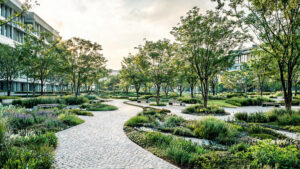
What Is Landscape Architecture? A Beginner’s Guide to Designing Outdoor Environments
Landscape architecture turns land into experience. From gardens and courtyards to parks, plazas, paths, and outdoor living spaces, this beginner’s guide explains how designers shape nature, structure, movement, and beauty into places people remember.
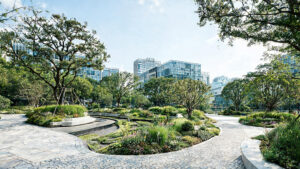
Landscape Architecture Explained: How Outdoor Spaces Are Designed to Work and Inspire
Landscape architecture turns land into living experience. This guide explores how outdoor spaces are shaped to work beautifully, inspire emotion, solve site challenges, and connect people with nature, architecture, and everyday life.