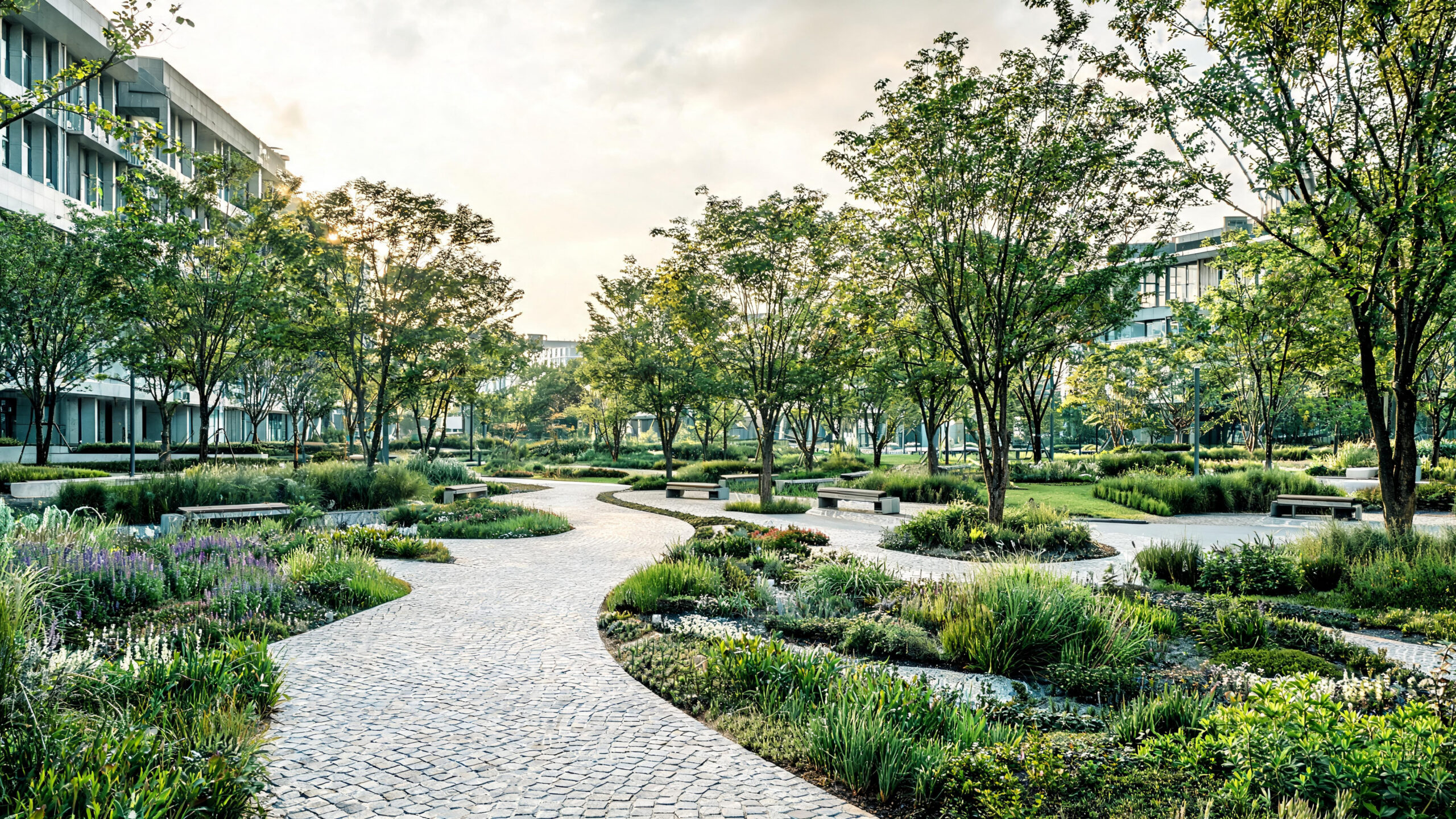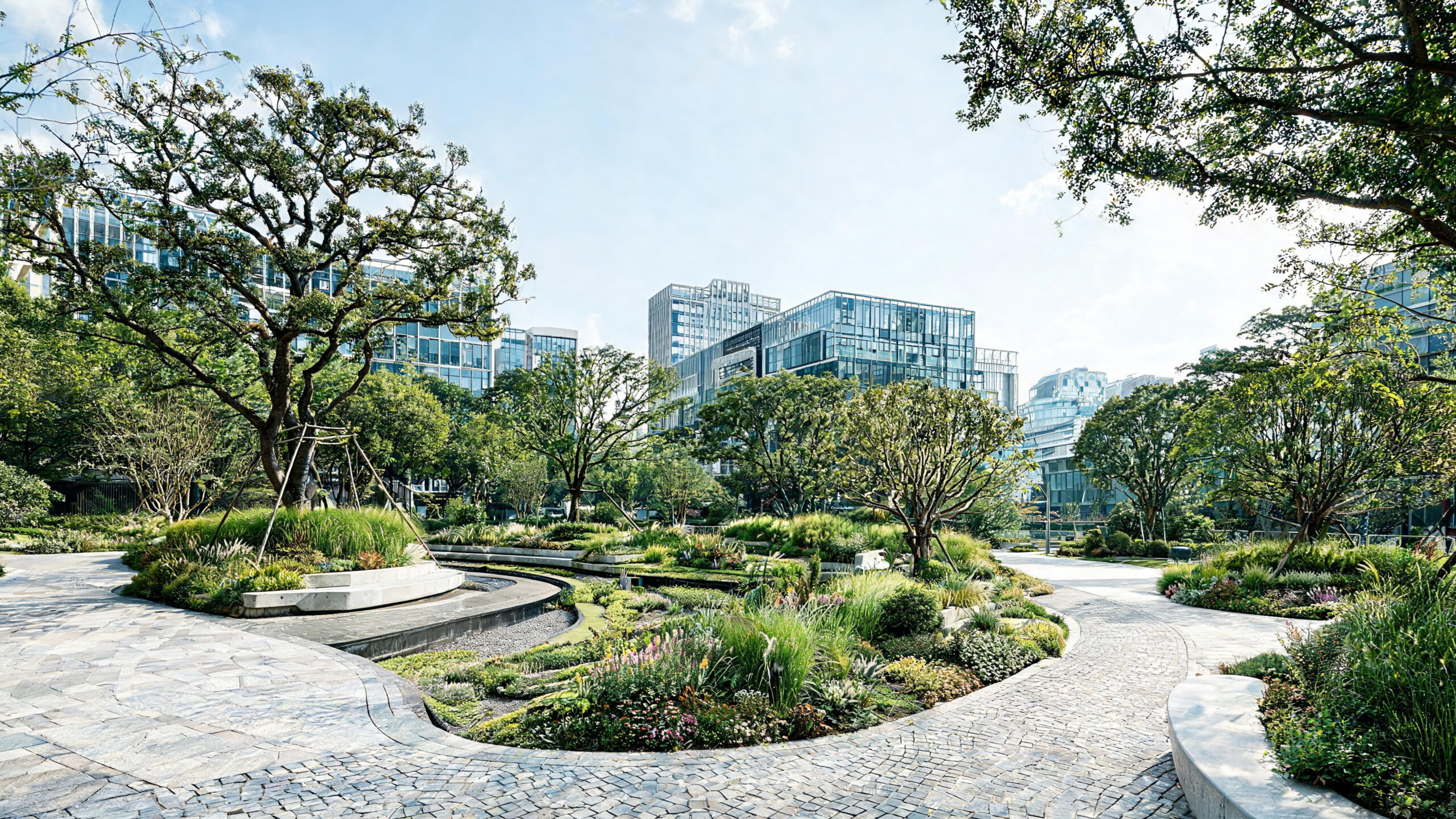
The Art of Making Outdoor Space Matter
Landscape architecture is the design of outdoor environments that do more than look beautiful. It shapes land into places that function, move, breathe, protect, welcome, and inspire. A thoughtfully designed landscape can guide people toward a front door, turn a backyard into an outdoor living room, cool a hot city street, collect rainwater, restore habitat, frame a view, or create a quiet garden where the world feels softer for a moment. At first glance, landscape architecture may seem like gardening on a larger scale. But it is much more than choosing plants or arranging flower beds. It is the discipline of designing with land, water, climate, architecture, ecology, materials, movement, and human experience. It asks how outdoor spaces should work, how they should feel, how they should age, and how they can serve both people and the environment. A strong landscape design is often invisible in the best possible way. You do not always notice the grading that moves water away from a building, the carefully placed tree that cools a patio, or the path that gently pulls you toward a view. You simply feel that the space works. It feels comfortable, balanced, natural, and memorable. That is the power of landscape architecture: it turns outdoor areas into places with purpose.
A: It can include site planning, planting, grading, drainage, paths, patios, walls, outdoor rooms, lighting, and long-term landscape strategy.
A: Landscaping often focuses on installation and maintenance, while landscape architecture focuses on planning, systems, structure, and design intent.
A: Consider one for complex sites, drainage problems, slopes, full-property planning, major hardscape, or high-value outdoor living projects.
A: Start with how you want to use the space, then study sun, water, access, views, privacy, and budget.
A: Yes, thoughtful outdoor design can improve curb appeal, usability, comfort, and the overall experience of the property.
A: Climate-adapted plants, simple bed shapes, mulch, efficient irrigation, durable materials, and right-sized planting choices.
A: Drainage is critical because unmanaged water can damage plants, patios, walls, lawns, and nearby structures.
A: Not always; keep lawn where it serves a purpose and replace unused areas with planting, paths, or outdoor rooms.
A: It is a long-term design roadmap showing major spaces, circulation, planting, materials, utilities, and possible project phases.
A: Add shade, layered planting, comfortable seating, clear paths, focal points, seasonal texture, and a strong connection to views or architecture.
What Landscape Architecture Really Does
Landscape architecture designs the relationship between people and the land. It can happen at many scales, from a small courtyard to a regional park system. A landscape architect may plan a residential garden, redesign a campus, create a public plaza, restore a wetland, shape a resort landscape, improve a streetscape, or transform an empty lot into a community park.
The work combines creativity with technical understanding. Designers think about beauty, atmosphere, and emotion, but they also think about drainage, grading, soil, circulation, accessibility, durability, maintenance, safety, and climate. Outdoor spaces are alive and exposed. They must handle sun, rain, snow, wind, heat, drought, foot traffic, plant growth, and time. Landscape architecture makes those forces part of the design instead of treating them as problems after the fact.
The result is a space that does more than decorate a property. It supports daily use. It solves site challenges. It creates identity. It can increase comfort, improve environmental performance, and make a place feel deeply connected to its setting. In the best landscapes, function and inspiration are not separate. They reinforce each other.
The Difference Between Land and Place
Land is raw potential. Place is land shaped by meaning, use, and memory. Landscape architecture helps turn land into place. A patch of grass behind a home might be land. Add a shaded dining terrace, a stone path, layered planting, a fire feature, privacy trees, and a framed view from the kitchen window, and it becomes a place. A leftover space between buildings might be land. Add seating, canopy trees, stormwater planting, lighting, and clear circulation, and it becomes a courtyard where people actually want to spend time.
This transformation is central to landscape architecture. Designers study what a site is and imagine what it could become. They look at constraints as opportunities. A slope can become a terrace. A drainage problem can become a rain garden. A blank wall can become a backdrop for vines and shadow. A narrow side yard can become a passage garden. A noisy street edge can become a layered buffer of trees, walls, planting, and sound-softening materials. The goal is not to erase the character of the land. It is to reveal its best possibilities.
Designing Outdoor Spaces That Work
A landscape must work before it can inspire. Function is the foundation of every successful outdoor environment. People need to move easily, gather comfortably, find shade, avoid muddy areas, access entries, enjoy privacy, and understand how to use the space.
Functional design begins with questions. Where do people enter? Where do they park? Where does water flow? Where is the sun harsh? Where is shade needed? Where should people sit, cook, play, walk, garden, or relax? Which views should be framed, and which should be screened? What needs to be hidden, stored, protected, or connected?
Once these questions are answered, the landscape can be organized. Paths connect important destinations. Patios sit where they are convenient and comfortable. Planting beds define edges. Trees provide shade where people linger. Walls manage slopes. Lighting extends use into the evening. Materials are chosen for durability and character. Every part has a job. Good function does not make a landscape feel mechanical. In fact, strong function usually makes a space feel more effortless. When the practical needs are solved, people can enjoy the atmosphere without frustration.
Designing Outdoor Spaces That Inspire
Inspiration is harder to measure than function, but it is just as important. A great landscape does not only help people move through space. It makes them feel something. It can feel peaceful, dramatic, playful, elegant, wild, intimate, grand, restorative, or full of discovery. Landscape architects create inspiration through composition. They use contrast, rhythm, texture, light, shadow, color, scale, sound, scent, and movement. A narrow path opening into a sunny garden can create surprise. A row of trees can produce a sense of ceremony. Ornamental grasses moving in the wind can make a space feel alive. A reflecting pool can bring stillness. A stone wall can add permanence. A canopy of branches can create shelter and calm.
Outdoor inspiration often comes from changing conditions. Morning light, evening shadows, seasonal flowers, autumn leaves, rain on stone, winter branches, and the sound of water all contribute to the experience. Unlike interior design, landscape architecture works with time. The space is never exactly the same twice. That living quality gives landscapes their emotional power. They remind people that design can be both intentional and alive.
The Site Comes First
Every landscape architecture project begins with the site. The land already has a story before design begins. It has slopes, soils, drainage patterns, sun exposure, existing trees, neighboring views, microclimates, access points, utilities, and history. A successful design listens to those conditions.
Site analysis is the process of reading the land. Designers may observe how sunlight moves across the property, where water collects during storms, which trees are healthy, which views are valuable, and which areas feel exposed or protected. They study the relationship between buildings and outdoor spaces. They consider how people already move through the site and where movement feels awkward.
This early work is critical because it prevents superficial design. Instead of copying a trend from another property, landscape architecture responds to what is actually happening on the ground. A shaded woodland site should not be treated like a desert courtyard. A windy hilltop needs different strategies than a sheltered urban patio. A wet low area may be better suited to water-loving plants than expensive correction. When the site comes first, the finished landscape feels more authentic, more durable, and more connected to its environment.
Movement: The Choreography of Outdoor Space
Landscape architecture is experienced through movement. People approach, enter, turn, pause, look, gather, and continue. Paths, steps, driveways, gates, lawns, decks, terraces, and planting beds all shape that choreography. A well-designed path does more than connect two points. It creates pace and anticipation. A straight path may feel formal and direct. A curved path may feel relaxed and exploratory. A wide walk may invite conversation, while a narrow path may create intimacy. Steps can slow movement and mark transition. A landing can become a moment to pause and admire a view.
Movement also affects how large or small a landscape feels. A small yard can feel bigger when the route through it is layered and slightly indirect. A large public park can feel manageable when circulation is clear. A front yard can feel welcoming when the entry sequence is obvious and pleasant. The best landscapes guide people without shouting directions. They make movement feel natural.
Outdoor Rooms and Human Comfort
One reason landscape architecture is so powerful is that it can make outdoor spaces feel room-like without enclosing them completely. Outdoor rooms give shape and purpose to open air. They help people feel comfortable because the space has edges, scale, and identity.
An outdoor dining area may be defined by paving underfoot, a pergola overhead, planting along the sides, and a view toward a garden. A fire pit area may feel like a living room because seating surrounds a central feature. A quiet reading corner may be shaped by a bench, shade tree, low wall, and fragrant planting. These elements create enclosure while keeping the space connected to the sky.
Human comfort depends on more than furniture. People need shade, air movement, privacy, good proportions, pleasant materials, and a sense of protection. A patio in full sun with no surrounding planting may feel exposed even if it is expensive. A simple seating area under a tree can feel luxurious because it offers comfort. Landscape architecture designs for the body as much as the eye.
Plants as Living Structure
Plants are not decoration in landscape architecture. They are living structure. Trees can create ceilings, shade, rhythm, privacy, habitat, and seasonal identity. Shrubs can define edges and screen views. Groundcovers can soften surfaces and protect soil. Perennials and grasses can create color, texture, movement, and ecological richness. Planting design requires imagination and patience. A designer must understand what plants look like now and what they will become in five, ten, or twenty years. A tree planted today may eventually define the entire character of a courtyard. A hedge may take time to become a strong green wall. A meadow may shift with seasons and weather. A successful planting plan anticipates growth.
Plants also connect design to ecology. They can feed pollinators, shelter birds, improve soil, reduce heat, absorb rainwater, and support biodiversity. Native and climate-adapted plants are especially valuable because they often perform well with fewer inputs when placed correctly. A landscape built only from hard materials may look clean, but plants give it breath, softness, and life.
Hardscape as the Framework
Hardscape forms the physical framework of a landscape. It includes patios, paths, walls, steps, decks, pergolas, fences, driveways, curbs, raised planters, fire features, water features, and outdoor structures. These elements shape how the space is used and how it feels.
Materials carry personality. Natural stone can feel timeless and grounded. Concrete can feel modern and precise. Brick can feel warm and traditional. Gravel can feel casual and flexible. Wood can bring warmth and tactility. Metal can add crispness and contrast. The choice of material affects not only appearance but also comfort, maintenance, cost, and durability.
Good hardscape design respects proportion and detail. A patio must be large enough for furniture and circulation. Steps must feel safe and consistent. Walls must be engineered properly. Paths must handle traffic and drainage. Edges must be clean enough to maintain. When hardscape is designed well, it gives the landscape clarity. It becomes the stage on which planting, light, water, and human life unfold.
Water as Challenge and Beauty
Water is one of the most important elements in landscape architecture because it is both practical and poetic. On the practical side, every site must manage rain, runoff, irrigation, and drainage. On the poetic side, water can create reflection, sound, cooling, movement, and calm. Poor water management can ruin a landscape. It can flood patios, damage foundations, erode slopes, drown plants, and create muddy lawns. Landscape architects address these issues through grading, drains, swales, rain gardens, permeable paving, retention areas, dry creek beds, and careful planting.
But water management does not have to disappear underground. It can become part of the design. A rain garden can turn roof runoff into a planted feature. A shallow rill can guide water through a courtyard. A dry streambed can suggest movement even when it is not raining. A fountain can mask urban noise and create atmosphere. In landscape architecture, water is not just controlled. It is interpreted.
Sustainability and Resilience
Sustainable landscape architecture designs outdoor spaces that use resources wisely and support long-term environmental health. This can include reducing water use, improving soil, choosing climate-adapted plants, supporting pollinators, managing stormwater, reducing lawn area, using durable materials, and creating shade.
Resilience goes a step further. It asks how landscapes can withstand changing conditions such as extreme heat, drought, heavy rain, wildfire risk, flooding, and urban heat. A resilient landscape is not fragile. It is designed to adapt, recover, and keep functioning.
This matters for homes, cities, parks, and commercial properties. Shade trees can reduce heat. Permeable surfaces can reduce runoff. Deep-rooted plants can stabilize soil. Green spaces can improve comfort in dense neighborhoods. Water-wise planting can keep landscapes beautiful even under irrigation limits. Sustainability does not mean sacrificing beauty. Some of the most striking modern landscapes are sustainable because they are deeply connected to place. They use fewer resources because they are designed intelligently from the beginning.
Landscape Architecture at Home
For homeowners, landscape architecture can transform the way a property is used. A house does not end at its walls. The yard, garden, entry, driveway, patio, pool, deck, and planting areas all shape daily life. A residential landscape may create a stronger sense of arrival at the front door. It may turn a backyard into a place for dining, cooking, relaxing, and entertaining. It may solve drainage problems, reduce maintenance, provide shade, create privacy, or make room for children, pets, gardening, and quiet retreat.
The best home landscapes match the people who live there. A family that entertains often may need generous patios, lighting, outdoor cooking, and flexible seating. A homeowner who wants calm may prefer a private garden, water feature, and layered planting. Someone who dislikes yard work may need simple plant masses, durable materials, and efficient irrigation. Landscape architecture makes outdoor living feel intentional rather than leftover.
Landscape Architecture in Public Life
Beyond private homes, landscape architecture shapes public life. Parks, plazas, streets, campuses, trails, waterfronts, memorials, civic gardens, and urban greenways all influence how people experience their communities.
A park can give a neighborhood room to breathe. A shaded street can make walking more pleasant. A plaza can become a place for gathering, eating, resting, and events. A campus landscape can help people navigate while creating identity. A waterfront can reconnect a city to nature and public space.
Public landscapes must serve many people at once. They need to be inclusive, durable, safe, accessible, maintainable, and flexible. They must handle crowds, weather, maintenance crews, and changing social needs. They must also feel inviting. A public space that is technically correct but emotionally empty will not succeed. When landscape architecture works in public settings, it becomes part of civic memory. People remember where they met, walked, celebrated, rested, and felt connected.
The Relationship Between Architecture and Landscape
Buildings and landscapes should not feel like separate projects. Landscape architecture connects architecture to the land. It shapes how people approach a building, how indoor rooms look outward, how outdoor spaces extend daily life, and how the structure sits in its environment. A modern home may be softened by grasses, trees, and stone terraces. A historic building may be framed by formal paths and planting. A commercial building may feel more welcoming when its entry plaza includes shade, seating, and clear movement. A courtyard can bring light and nature into the center of a structure.
The relationship works both ways. Architecture gives landscapes walls, edges, thresholds, and views. Landscapes give architecture setting, atmosphere, seasonal change, and human warmth. When the two are designed together, the entire place feels more complete.
Designing With Time
Unlike many forms of design, landscape architecture is never truly finished. Plants grow. Materials weather. Trees cast larger shadows. Gardens fill in. Seasons change. A landscape designed today may reach its full character years later.
This makes time one of the designer’s materials. A young landscape may look open and spare at first, but it must have the structure to mature gracefully. Plants must be spaced for future growth. Trees must be placed with their eventual canopy in mind. Materials should be chosen for how they age, not only how they look when installed.
Designing with time also means planning for maintenance. A landscape that requires unrealistic care may decline quickly. A thoughtful design considers pruning, irrigation, cleaning, seasonal changes, plant replacement, and how people will care for the space over years. A great landscape becomes richer as it ages.
Why Some Outdoor Spaces Feel Better Than Others
Everyone has experienced outdoor spaces that feel inviting and others that feel uncomfortable, even if it is hard to explain why. Landscape architecture helps reveal those hidden reasons. Comfortable outdoor spaces usually have good proportions, clear circulation, shade, seating, visual interest, and a sense of enclosure. They offer places to pause without feeling exposed. They balance openness with protection. They include texture, life, and human-scale detail.
Uncomfortable spaces often lack these qualities. They may be too hot, too windy, too empty, too confusing, too exposed, or too disconnected from where people naturally want to go. They may look impressive from a distance but fail at the level of human experience. Landscape architecture succeeds when it designs from the human perspective. It asks what the space looks like, but also what it feels like to enter, sit, walk, wait, gather, and return.
The Future of Landscape Architecture
The future of landscape architecture is increasingly tied to climate, health, biodiversity, and public space. As cities grow hotter and weather patterns become more intense, outdoor environments must do more. They must cool, absorb, protect, restore, and connect.
At the same time, people are recognizing the value of outdoor living and access to nature. Homes are being designed with stronger indoor-outdoor connections. Cities are investing in parks, trails, tree canopy, and green infrastructure. Communities are looking for landscapes that are beautiful but also useful, inclusive, and resilient.
Technology is also changing the field. Designers use digital modeling, mapping, 3D visualization, environmental analysis, and advanced planning tools to understand sites and communicate ideas. But the heart of the profession remains grounded in land, people, plants, water, and experience. Landscape architecture will continue to matter because outdoor space is not a luxury. It is part of how people live.
Designing Places That Work and Inspire
Landscape architecture is the thoughtful design of outdoor environments that serve both practical needs and emotional experience. It brings together land, water, plants, materials, climate, movement, architecture, ecology, and human life. It solves problems while creating beauty. It makes places more usable, more resilient, more memorable, and more alive. A well-designed landscape can guide a visitor, shelter a family, cool a street, restore habitat, frame a view, manage stormwater, support daily rituals, and create moments of wonder. It can be quiet or dramatic, simple or complex, private or public. What matters is that it is designed with intention.
To understand landscape architecture is to see outdoor space differently. A yard is not just a yard. A path is not just a path. A tree is not just a tree. Each can be part of a larger composition that shapes how people feel, move, gather, and connect. Landscape architecture turns the outside world into places that work beautifully and inspire deeply.