Understanding Space: Why Small Apartments Feel Smaller Than They Are
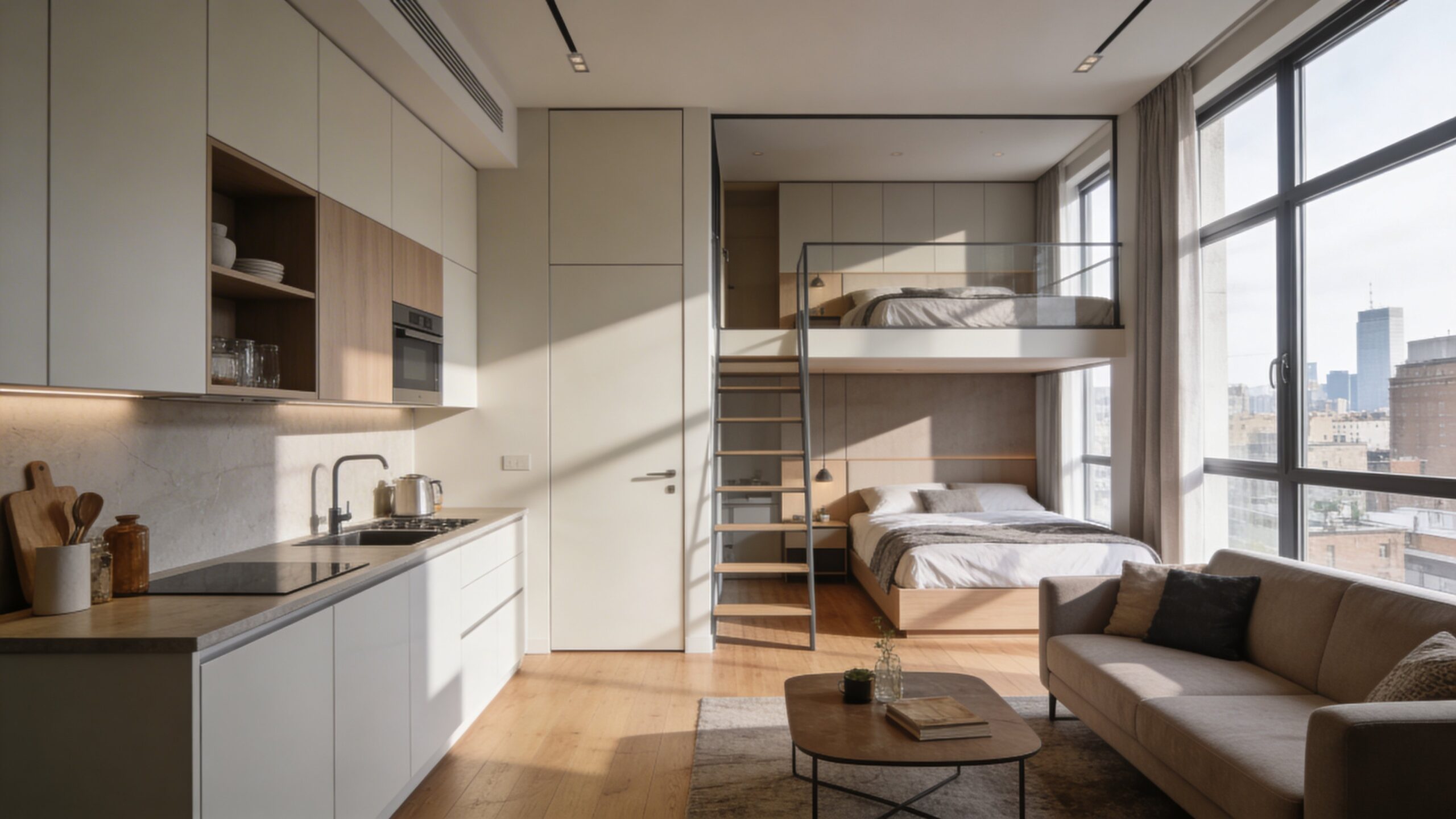
Small apartments often feel more restrictive than they actually are because of how space is perceived, not just how much of it exists. When layouts lack structure or visual flow, even a well-sized apartment can feel cramped and inefficient. The key is not expanding the space physically, but reshaping how it is organized and experienced. By focusing on layout, light, and proportion, small apartments can feel significantly larger. Strategic design decisions influence how the eye moves through a space, allowing it to feel open, calm, and intentional rather than cluttered or confined.
A: Use light colors, mirrors, and smart layout.
A: Compact and multi-functional pieces.
A: Use hidden storage and minimize items.
A: Yes, it maximizes limited space.
A: Use layered lighting for depth.
A: Yes, they define zones.
A: Yes, with foldable desks.
A: Overcrowding the space.
A: Use sparingly for balance.
A: Regular decluttering and smart storage.
Start With Layout: The Foundation of Spacious Living
A well-planned layout is the most important factor in maximizing a small apartment. Every piece of furniture and every pathway should serve a purpose, creating a sense of order rather than competition for space. When layout is prioritized, the apartment naturally feels more open and easier to navigate.
Instead of filling every corner, focus on creating clear circulation paths and balanced arrangements. Allowing the room to breathe, even slightly, makes a dramatic difference in how spacious it feels day to day.
Define Zones Without Closing Off Space
In small apartments, especially open layouts, defining zones creates structure without sacrificing openness. Living, sleeping, dining, and working areas can exist within the same footprint when they are visually separated through thoughtful placement. Rugs, lighting, and furniture orientation can subtly establish these zones. This approach gives each area a clear function while maintaining the overall flow of the apartment, making the space feel organized rather than crowded.
Choose Furniture That Works Harder
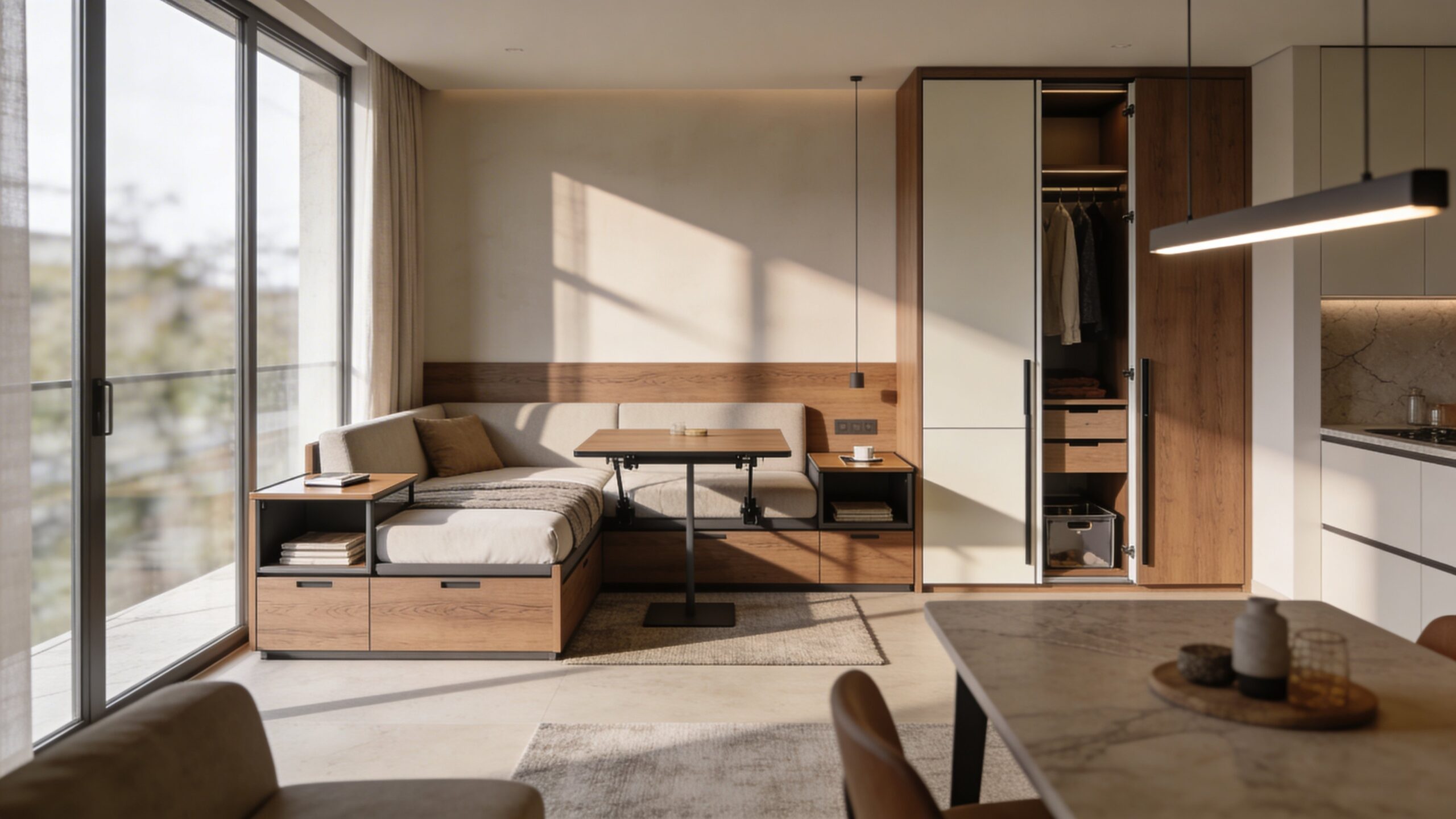
Every piece of furniture in a small apartment should serve more than one purpose whenever possible. Multi-functional furniture reduces the number of items needed, which directly increases usable space and visual clarity.
Beds with storage, foldable tables, and modular seating all contribute to a more efficient environment. Choosing pieces that adapt to different needs allows the apartment to feel flexible rather than limited.
Scale Matters More Than Style
Furniture that is too large can quickly overwhelm a small apartment, making it feel tight and difficult to navigate. Selecting pieces that are appropriately scaled ensures that the space remains balanced and functional. Lower-profile furniture and items with exposed legs create a sense of openness. The goal is not to eliminate comfort, but to maintain proportion so that the room feels complete without becoming crowded.
Maximize Natural Light Wherever Possible
Natural light expands a space visually by connecting it to the outside environment. When light flows freely, walls feel less restrictive and the entire apartment appears larger and more inviting.
Keeping window treatments minimal and placing mirrors strategically helps distribute light throughout the space. Even in apartments with limited windows, enhancing available light can dramatically improve how the space feels.
Use Color to Create Continuity and Openness
Color plays a major role in how spacious a room appears. Light, cohesive color palettes reduce visual interruptions and allow the eye to move smoothly across the space. Neutral tones create a calm foundation, while subtle contrasts can define areas without breaking the overall flow. A consistent palette helps unify the apartment, making it feel larger and more refined.
Smart Storage: The Hidden Key to More Space
Storage is essential in small apartment living, but it must be handled with intention. Visible clutter quickly reduces the sense of openness, making even well-designed spaces feel cramped.
Hidden storage solutions, vertical shelving, and built-in options keep items organized without overwhelming the room. When storage blends into the design, the apartment feels cleaner and more spacious.
Think Vertically to Unlock More Potential
When floor space is limited, vertical space becomes an opportunity to expand functionality. Using height effectively allows you to store more while maintaining an open layout below. Tall shelving, wall-mounted storage, and elevated design elements draw the eye upward. This creates the impression of higher ceilings and a more expansive environment overall.
Keep Movement Easy and Unobstructed
Flow is essential in a small apartment. When movement is restricted, the space immediately feels smaller and less comfortable. Clear pathways allow the apartment to function smoothly and feel more open.
Arranging furniture to support natural movement patterns ensures that the space works with you rather than against you. Even minor adjustments can significantly improve usability and comfort.
Incorporate Reflective and Light Materials
Materials influence how space is perceived just as much as layout and color. Reflective surfaces help bounce light around the room, increasing brightness and depth. Glass, metal, and polished finishes add a sense of lightness without adding visual weight. These materials help maintain openness while still providing functionality and style.
Design for Flexibility in Daily Life
Small apartments benefit from flexibility. Spaces that can adapt to different uses throughout the day feel larger because they serve multiple purposes without needing additional square footage.
Convertible furniture and modular layouts allow the apartment to evolve with your needs. This adaptability keeps the space efficient, functional, and comfortable.
Reduce Clutter to Increase Space
Clutter is one of the biggest barriers to a spacious-feeling apartment. Even a well-designed layout can feel cramped when surfaces are crowded and storage is overwhelmed. Keeping only what is necessary and meaningful allows the space to breathe. A simplified environment not only looks better but also feels more comfortable to live in.
Add Texture Without Overwhelming the Space
Texture brings warmth and depth to a small apartment, preventing it from feeling flat or sterile. However, it must be introduced carefully to maintain balance.
Layering materials like soft fabrics, wood, and subtle patterns creates visual interest without adding clutter. The result is a space that feels inviting while still maintaining openness.
Balance Function and Aesthetics
A successful small apartment is both practical and visually appealing. Function ensures that the space works efficiently, while aesthetics create a sense of comfort and identity. When these elements are balanced, the apartment feels intentional rather than improvised. Every detail contributes to a cohesive environment that supports daily living.
Final Thoughts: Making Every Square Foot Count
Small apartment living is not about limitations, but about precision. When space is used thoughtfully, even the smallest apartments can feel open, functional, and refined.
By focusing on layout, light, storage, and flexibility, it becomes possible to create an environment that feels far larger than its physical size. The result is a space that supports both comfort and efficiency, proving that every square foot has the potential to work smarter.