A New Era of Interior Design Is Taking Shape
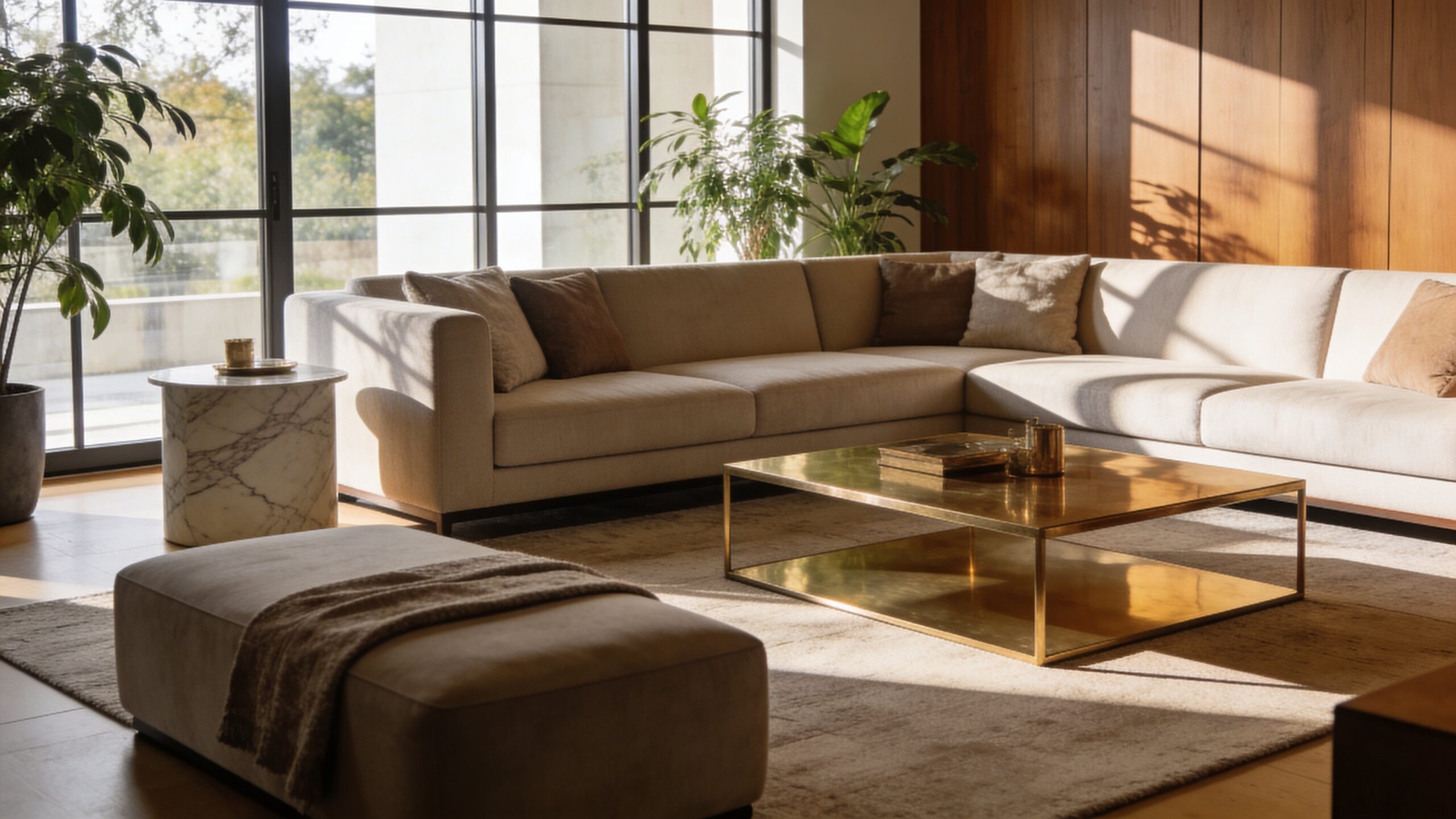
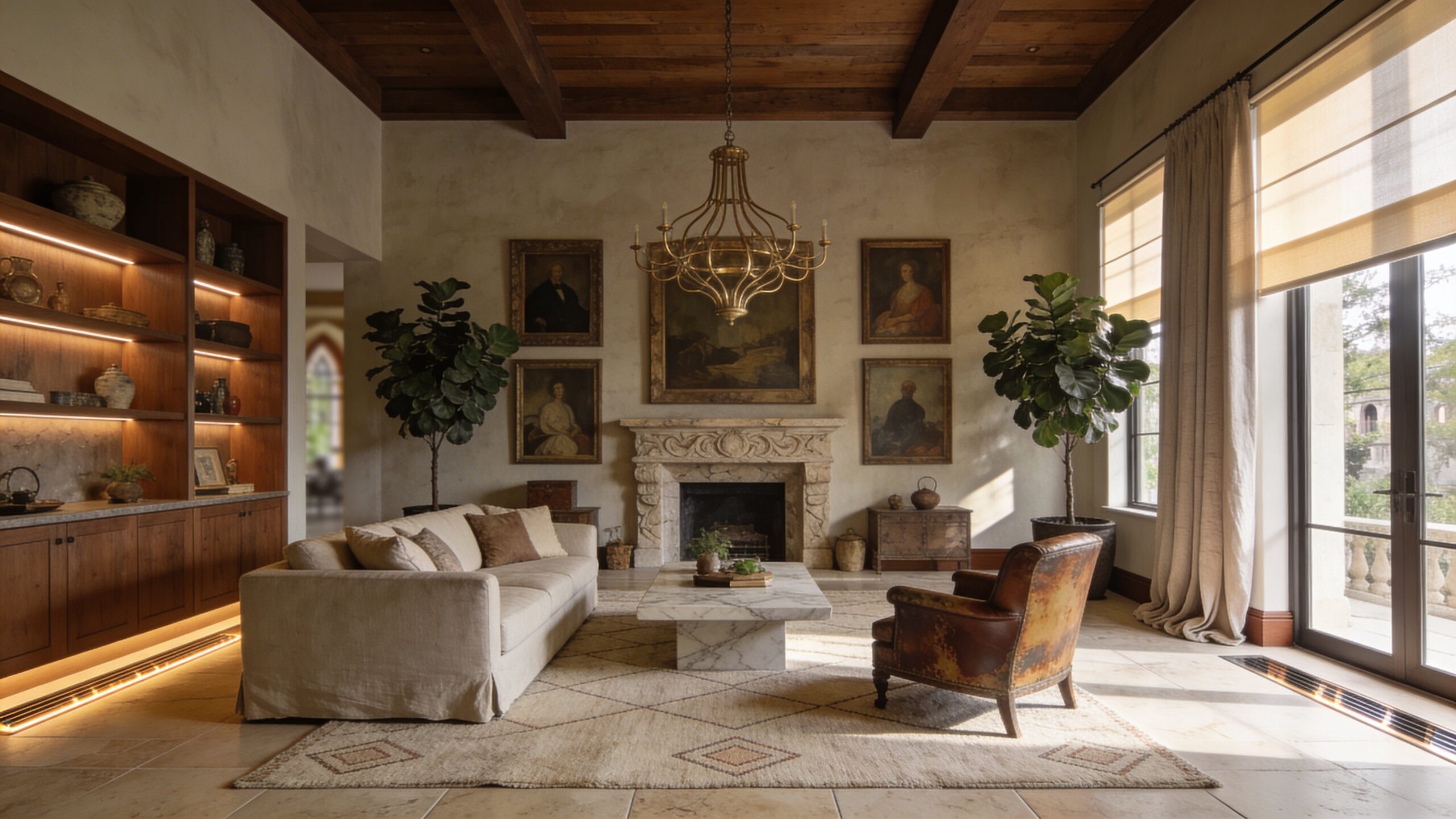
Interior design in 2026 is not chasing perfection as much as it is chasing presence. The mood is warmer, softer, and more human than the ultra-polished spaces that dominated recent years. Designers are leaning into homes that feel grounded in real life, with tactile surfaces, layered materials, and rooms that support comfort, wellness, and daily routines instead of simply looking good in a photo. Across major design coverage this year, the strongest signals point toward subtle drama, warmth, craftsmanship, hidden functionality, and personal character rather than cold minimalism or overly themed decoration. That means 2026 is less about tearing everything out to follow a trend and more about editing homes so they feel calmer, richer, and more intentional. What is in now tends to be enduring, tactile, and emotionally resonant. What is out tends to be anything that feels sterile, overly matched, visually noisy, or disconnected from the way people actually live. The most exciting part is that this year’s trends are not all shouting for attention; many of them work quietly in the background, transforming homes through atmosphere, materiality, and thoughtful planning.
A: Warm, natural, comfort-driven interiors with texture, softness, and flexible function are leading the way.
A: Cooler grays are fading, while warmer neutrals and earthier shades are taking over.
A: Yes, but it has evolved into a warmer and more livable version with richer materials and softer shapes.
A: Yes, though many homes now define zones more clearly for comfort, privacy, and better daily use.
A: Wood, stone, linen, plaster, wool, and other tactile materials feel especially relevant for 2026.
A: In many cases, yes; layered and curated rooms feel more modern and personal.
A: Yes, especially when technology is integrated subtly rather than becoming the visual focus.
A: Better lighting, warmer paint, richer texture, and edited furnishings can change the atmosphere quickly.
A: Not entirely, but they are often being used more selectively and thoughtfully than before.
A: Choose timeless materials, strong lighting, comfortable layouts, and personal details that fit how you live.
What’s In: Warm, Earthy Color Palettes
One of the clearest shifts in interior design trends for 2026 is the move toward warmer, sanded neutrals and richer, more enveloping color. Designers are stepping away from icy grays and blank white-on-white schemes in favor of tones that feel sun-washed, grounded, and lived-in. Khaki, sand, clay, muted greens, warm creams, navy, and earthy browns are showing up across cabinetry, walls, upholstery, and decorative finishes. Even when rooms remain neutral, they now feel far more layered and inviting than the cool minimalist interiors of the recent past.
What is out is not neutral design itself, but neutral design that feels flat, cold, or generic. A room with no tonal variation, no warmth, and no material depth is increasingly being left behind. In its place, designers are using color drenching, color blocking, and nuanced palettes that create coziness without overwhelming the eye. The result is a home that feels composed and current while still timeless enough to live with for years.
What’s In: Tactile Surfaces and Material Depth
If 2026 has a signature visual language, it is texture. Houzz’s 2026 trend coverage highlights textured plaster, limewash, stone, handmade tile, grasscloth, and boucle as major defining materials, all bringing a handcrafted, organic sensibility to modern rooms. These finishes add depth even when color palettes remain restrained, which helps explain why so many current interiors feel quieter yet somehow more expressive. Homeowners are gravitating toward walls, furnishings, and architectural details that invite touch as much as they attract the eye. What is out is the overly slick, one-note interior where every surface is smooth, uniform, and machine-finished. High-gloss perfection and sterile sameness are giving way to material variation and subtle imperfection. In 2026, a space becomes more luxurious when it has nuance: honed stone instead of hard shine, plaster instead of plain drywall sameness, visible grain instead of lifeless laminate, and handmade elements that give a room identity.
What’s In: The Invisible Kitchen
The kitchen remains one of the most important rooms in the house, but in 2026 it is being redesigned to disappear a little. House Beautiful identifies the “invisible kitchen” as a major 2026 direction, with concealed appliances, integrated storage, appliance garages, and cabinetry that reads more like fine furniture or millwork than traditional kitchen casework. This trend reflects how kitchens now sit fully exposed to living and dining areas in open-plan homes, which has increased demand for spaces that feel calm, cohesive, and visually quiet.
What is out is the kitchen that looks like a workspace first and a living space second. Endless countertop clutter, too many visible gadgets, and harsh visual breaks between kitchen and living areas feel increasingly dated. The new ideal is not a lifeless showroom kitchen, but one where function is refined and tucked away. Storage becomes smarter, surfaces become calmer, and the room blends into the architecture of the home rather than interrupting it.
What’s In: Flat-Panel Cabinetry and Quiet Lines
Cabinetry is also evolving in a notable way. Houzz’s 2026 predictions point to growing momentum for flat-panel, or slab-front, cabinets and vanities, even beyond ultra-modern homes. These sleek fronts are showing up with warm wood tones, matte finishes, and restrained hardware, which gives them a custom and timeless feeling rather than a cold one. Their appeal lies in clarity: they create a cleaner visual field and support the larger shift toward streamlined rooms with less visual noise. What is out is cabinetry that feels overly busy for the sake of detail. That does not mean every traditional cabinet style disappears in 2026, but it does mean the broader mood is shifting toward cleaner silhouettes and surfaces that are easier to live with visually. The current look is less fussy, less ornamental, and more architectural, which pairs especially well with the rise of invisible kitchens and serene open-plan interiors.
What’s In: Found Luxury and Collected Character
One of the most revealing trends of 2026 is the move away from generic “quiet luxury” toward what Homes & Gardens calls “found luxury.” Rather than trying to make every room look polished, matched, and freshly installed, designers are encouraging spaces that feel collected over time. Vintage furniture, antiques, meaningful art, patina, natural materials, and a mix of old and new are central to this approach. The point is not visual chaos, but personality. A room should feel like it belongs to someone, not like it was assembled in one shopping trip.
What is out is the idea that luxury must be pristine and emotionally distant. The critique of quiet luxury in current design coverage is that it can become forgettable when it is too controlled. In 2026, the stronger rooms are the ones with tension, contrast, and memory. A worn wood table beside a clean-lined sofa, a vintage lamp in a contemporary bedroom, or artwork that feels discovered rather than staged can give a home far more impact than a perfectly matched set ever could.
What’s In: Wellness, Longevity, and Homes That Support Life
Wellness-focused design is becoming more sophisticated in 2026. House Beautiful’s recent reporting frames “longevity” as a major design idea, pushing homes beyond short-term comfort toward spaces that support living better over time. Designers and wellness experts are discussing environments that nurture emotional and physical health through better light, calmer materials, restorative rooms, and features such as meditation areas, saunas, cold plunge rooms, salt rooms, and extended home gyms. Even when a home does not include specialized amenities, the larger principle still applies: design should help people feel better in their daily lives. What is out is designing only for appearance or resale clichés while ignoring how a home actually performs for the people inside it. In 2026, beauty and well-being are increasingly linked. Good design is expected to reduce friction, lower visual stress, and encourage routines that feel healthier and more sustainable. The home is no longer just a backdrop; it is becoming an active partner in how people recharge, focus, recover, and age.
What’s In: Natural Stone With Soft Drama
Stone is not disappearing; it is becoming more nuanced. Houzz’s 2026 predictions highlight natural stone slabs with subtle drama, especially marble and quartzite with soft movement and warm veining in greens, browns, reds, and golds. This is an important distinction. Homeowners still want statement materials, but many are moving away from loud contrast and toward a quieter, more organic kind of luxury. The surface still speaks, but it does so in a lower voice.
What is out is hard-edged visual aggression used only to create an instant impression. Stone that feels too stark, too artificial, or too trend-dependent is losing ground to surfaces that feel enduring and integrated into the larger palette of a room. In 2026, the best stone choices look like they belong with wood, plaster, linen, and warm metals rather than competing with them.
What’s In: Refined Coastal and Place-Driven Design
Even style categories traditionally associated with obvious themes are becoming more mature. Elle Decor’s 2026 coastal design reporting shows a movement away from literal beach motifs such as ropes, anchors, and predictable blue-and-white styling. Designers are instead leaning into a more architectural, context-driven coastal look with warmer layered tones, textured walls, pronounced-grain wood, and refined materials that evoke place without relying on clichés. What is out is theme-driven decorating that feels too obvious or costume-like. This is not limited to coastal interiors. Across 2026 design trends, the general rule is that references should feel edited, sensory, and personal rather than literal. Homes are being designed less like sets and more like environments with mood, memory, and substance. That shift is one of the clearest reasons current interiors feel more sophisticated than many of the trend cycles that came before them.
What’s In: Checkerboard, Tile, and Quiet Pattern
Pattern is returning, but with a different temperament. Houzz’s 2026 predictions include checkerboard as a recurring motif, and House Beautiful has identified tile as a major texture trend for 2026, extending far beyond bathrooms and kitchens. These signals suggest that pattern is coming back through surfaces and architectural materials rather than only through loud printed décor. Floors, backsplashes, fireplace surrounds, and accent installations are becoming more expressive, but often in grounded, timeless ways.
What is out is pattern that feels disposable or disconnected from the architecture of a room. In 2026, design interest is strongest when it is built into the shell of the home or used in a disciplined, thoughtful way. That is why checkerboard, handmade tile, and textured wall finishes feel current: they deliver personality while still contributing to the structure and atmosphere of the space.
What’s In: Personal Atmosphere Over Algorithmic Perfection
The broadest takeaway from interior design trends in 2026 is that homes are becoming more edited, more tactile, and more personal all at once. Warm palettes, collected objects, integrated kitchens, wellness-minded layouts, and material richness all point toward one shared goal: creating interiors that feel lived in, not merely styled. That does not mean chaos or clutter is back. It means rooms are being judged by how deeply they support real life and how convincingly they communicate feeling, identity, and ease. What is out is the pressure to make every home look like everyone else’s. The most exciting design trend of all may be that the industry is rewarding individuality again. In 2026, the rooms that stand out are not the ones that follow every rule; they are the ones that understand the mood of the moment and interpret it with warmth, intention, and restraint. That is what is truly in now, and it is why this year’s best interiors feel less like trends and more like a smarter way to live.