The Pulse of Today’s Housing Market
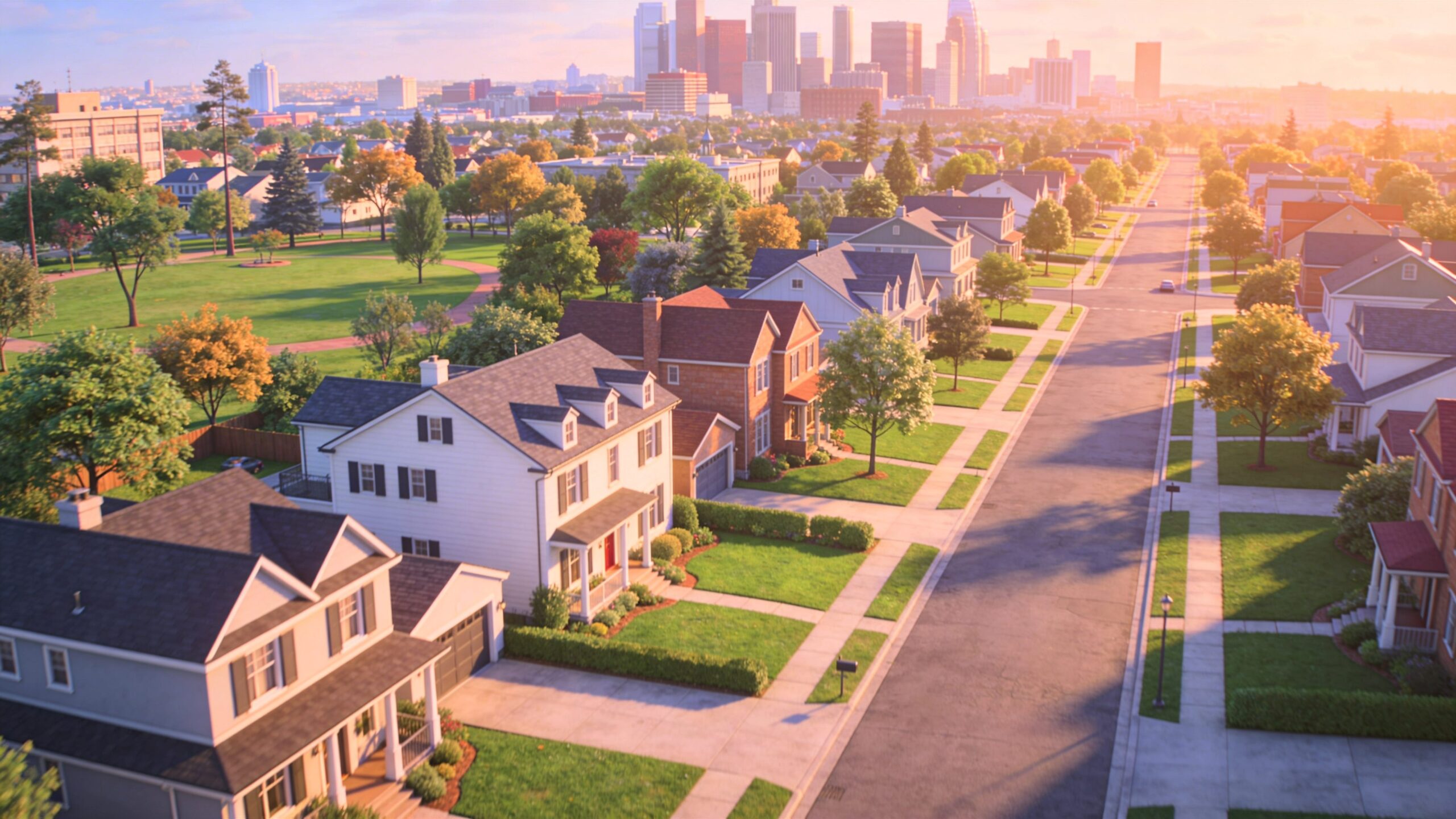
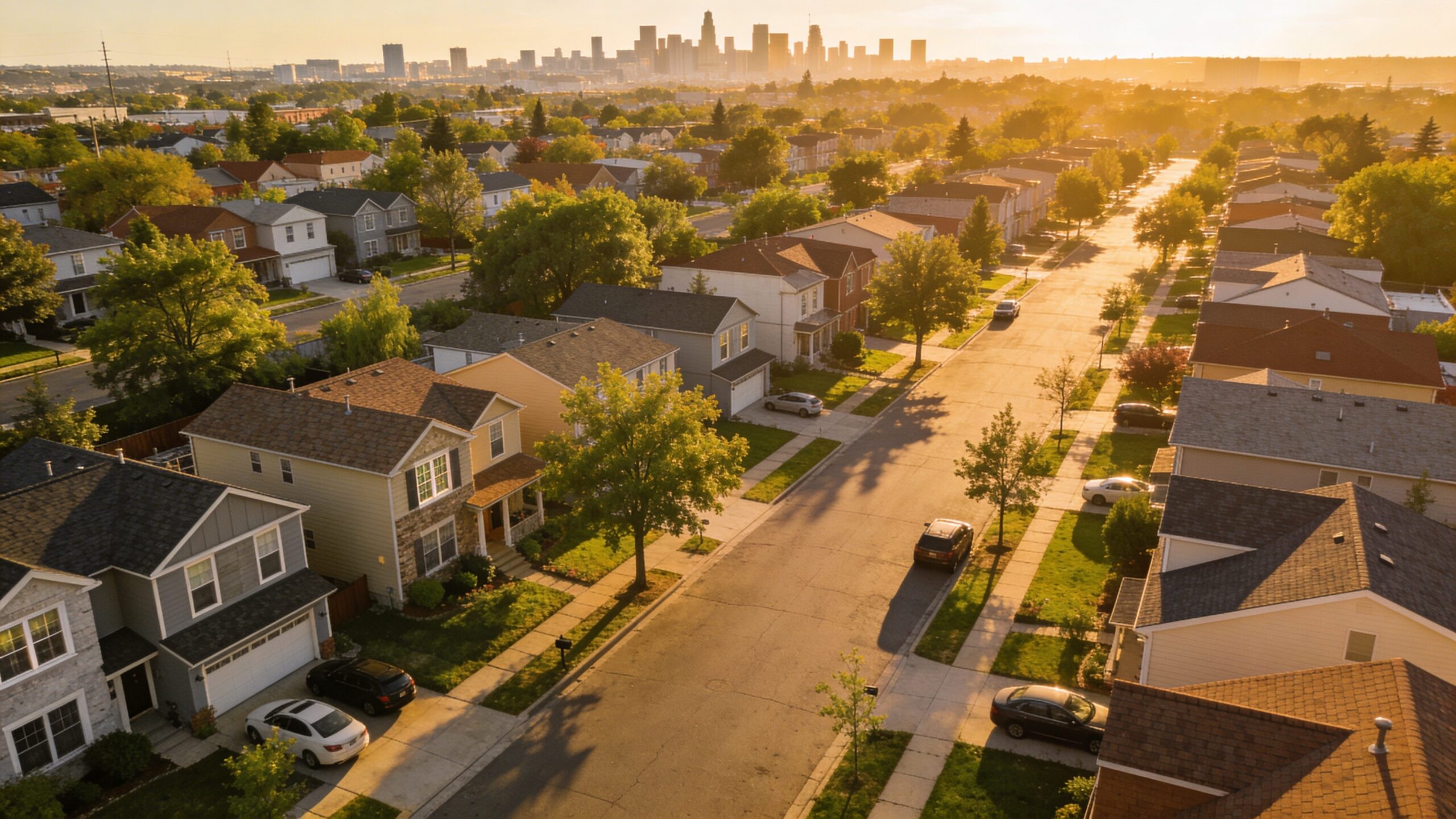
The U.S. housing market is no longer defined solely by cities or states. Instead, the real action is happening at the neighborhood level, where micro-markets are reshaping the way buyers, investors, and developers approach real estate. While national headlines often focus on interest rates or inventory shortages, the real story lies in the neighborhoods quietly outperforming expectations and attracting intense buyer demand. These high-growth areas are not random. They are fueled by a combination of economic shifts, migration trends, infrastructure investment, and lifestyle preferences. From revitalized urban districts to expanding suburban corridors, the hottest neighborhoods today represent a new blueprint for where people want to live and invest.
A: Strong demand, rising prices, and economic growth indicators.
A: They can be if prices rise too quickly without fundamentals.
A: Early entry can offer strong returns if growth continues.
A: Job creation and population growth.
A: Yes, strongly in family-focused markets.
A: It signals growth but can increase supply.
A: Look for development, migration, and rising demand.
A: Yes, many are leading growth trends.
A: It can dramatically increase neighborhood value.
A: Timing depends on market conditions and long-term goals.
What Defines a “Hot” Neighborhood Right Now
A neighborhood experiencing strong real estate growth typically shows a clear pattern of rising home values, increased buyer competition, and limited inventory. But those are only surface indicators. The deeper drivers often include job growth, access to transit, quality schools, and an influx of new amenities that elevate daily living.
In today’s market, flexibility has become a defining factor. Remote work has untethered many buyers from traditional city centers, opening the door for neighborhoods that offer space, affordability, and lifestyle advantages. At the same time, urban areas are reinventing themselves, creating pockets of growth that combine walkability, culture, and convenience.
The Rise of Suburban Powerhouses
Suburban neighborhoods are experiencing a major resurgence, but not in the traditional sense. Today’s high-growth suburbs are strategically located near major employment hubs while offering more space and newer housing stock. These areas are attracting a wide range of buyers, from young professionals seeking value to families prioritizing long-term stability. What sets these neighborhoods apart is their ability to evolve quickly. New construction, retail development, and infrastructure upgrades are transforming once-sleepy suburbs into dynamic, self-sustaining communities. As a result, property values are climbing steadily, and competition among buyers is intensifying.
Urban Neighborhoods Making a Comeback
While suburban growth dominates many headlines, urban neighborhoods are far from fading. In fact, select urban districts are seeing renewed demand as cities adapt to changing lifestyles. These neighborhoods often feature mixed-use developments, improved public spaces, and a focus on walkability.
Buyers are drawn to areas that offer a balance between convenience and character. Revitalized downtown corridors, historic districts undergoing renovation, and emerging cultural hubs are all contributing to a new wave of urban growth. These neighborhoods often experience rapid appreciation as demand returns and inventory remains constrained.
Sun Belt Expansion and Migration Trends
One of the most significant forces shaping today’s real estate market is migration to the Sun Belt. States across the southern U.S. are attracting buyers with lower costs of living, favorable tax environments, and strong job markets. Within these regions, certain neighborhoods are standing out as hotspots for growth. These areas benefit from a steady influx of new residents, which drives housing demand and accelerates development. New communities are being built at a rapid pace, yet demand often outpaces supply, pushing prices upward. For investors, these neighborhoods offer a compelling mix of appreciation potential and rental demand.
Secondary Cities Stealing the Spotlight
Beyond major metropolitan areas, secondary cities are emerging as powerful drivers of real estate growth. These cities often offer a more balanced lifestyle, combining affordability with access to employment opportunities and amenities.
Within these cities, specific neighborhoods are gaining traction due to targeted development and improved infrastructure. Buyers who once focused exclusively on major cities are now exploring these alternatives, creating new pockets of demand. As a result, these neighborhoods are experiencing some of the fastest growth rates in the country.
Infrastructure and Development as Growth Catalysts
Infrastructure projects play a crucial role in shaping neighborhood growth. New transit lines, highway expansions, and commercial developments can dramatically increase a neighborhood’s appeal. Areas that were once overlooked can quickly become desirable once accessibility improves. Developers often anticipate these changes, investing in housing and retail projects that align with future growth. Buyers who recognize these patterns early can benefit from significant appreciation as the neighborhood evolves. This dynamic makes infrastructure one of the most important factors to watch in today’s market.
The Influence of Lifestyle and Amenities
Modern buyers are placing greater emphasis on lifestyle than ever before. Neighborhoods that offer a strong sense of community, access to outdoor spaces, and a variety of amenities are seeing increased demand. Walkability, dining options, and proximity to entertainment all contribute to a neighborhood’s appeal.
This shift is reshaping the definition of value. It is no longer just about square footage or property size. Instead, the overall experience of living in a neighborhood is becoming a key driver of real estate growth. Areas that deliver on this front are consistently outperforming the broader market.
Investment Opportunities in Emerging Neighborhoods
For investors, the most exciting opportunities often lie in emerging neighborhoods that are just beginning to gain attention. These areas may not yet have reached peak demand, but they show clear signs of growth potential. Early indicators include rising rental demand, new business openings, and increased development activity. Investing in these neighborhoods requires careful analysis, but the rewards can be substantial. As demand grows and the neighborhood matures, property values can increase significantly. This makes emerging neighborhoods a key focus for those looking to maximize returns in today’s market.
Challenges and Risks to Consider
While high-growth neighborhoods offer significant opportunities, they also come with risks. Rapid appreciation can lead to affordability challenges, which may slow demand over time. Additionally, overdevelopment can create supply imbalances that impact property values.
Buyers and investors must also consider factors such as property taxes, insurance costs, and local regulations. These elements can influence long-term returns and should be carefully evaluated before making a decision. Understanding the full picture is essential for navigating today’s dynamic market.
How Buyers Are Shifting Their Priorities
Today’s buyers are more informed and strategic than ever before. Access to data and market insights has changed the way people approach real estate decisions. Buyers are no longer just looking for a home; they are looking for long-term value and growth potential. This shift is driving demand toward neighborhoods that offer a combination of affordability, amenities, and future upside. As a result, competition is intensifying in areas that meet these criteria, further accelerating growth.
The Future of Neighborhood Growth
Looking ahead, the concept of “hot neighborhoods” will continue to evolve. As economic conditions change and new trends emerge, different areas will rise to prominence. However, the underlying drivers of growth are likely to remain consistent.
Neighborhoods that adapt to changing lifestyles, invest in infrastructure, and offer a strong sense of community will continue to attract buyers and investors. These areas will define the next phase of real estate growth in the United States.
Key Takeaways for Navigating the Market
Understanding where growth is happening—and why—is essential for making informed real estate decisions. Whether you are buying your first home, upgrading, or investing, focusing on neighborhood-level trends can provide a significant advantage. The hottest U.S. neighborhoods for real estate growth right now are not just places on a map. They are dynamic environments shaped by economic forces, lifestyle preferences, and strategic development. By paying attention to these factors, buyers and investors can position themselves to capitalize on the opportunities that define today’s market.