Why Hidden Neighborhoods Are Becoming America’s Favorite Destinations
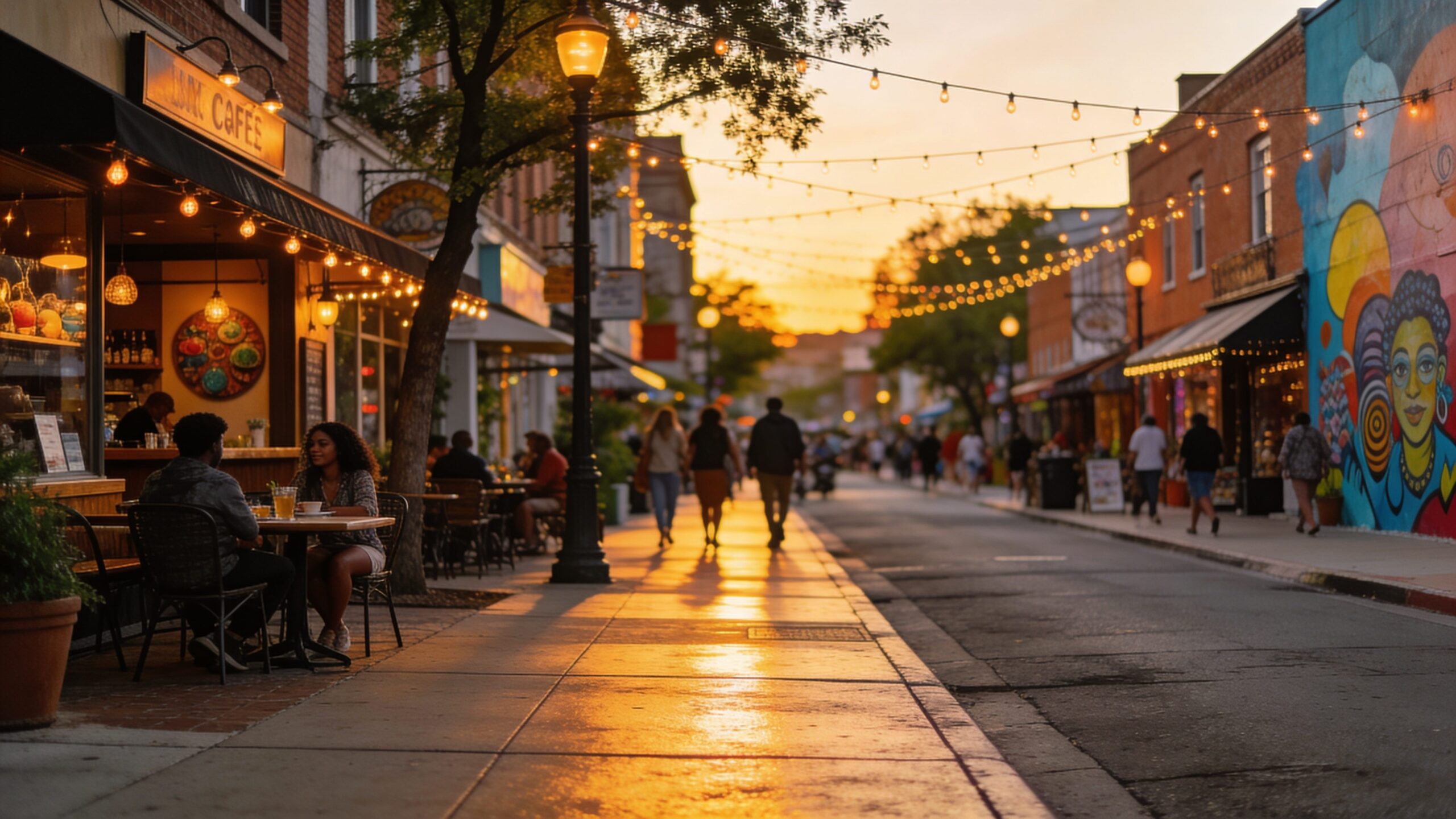
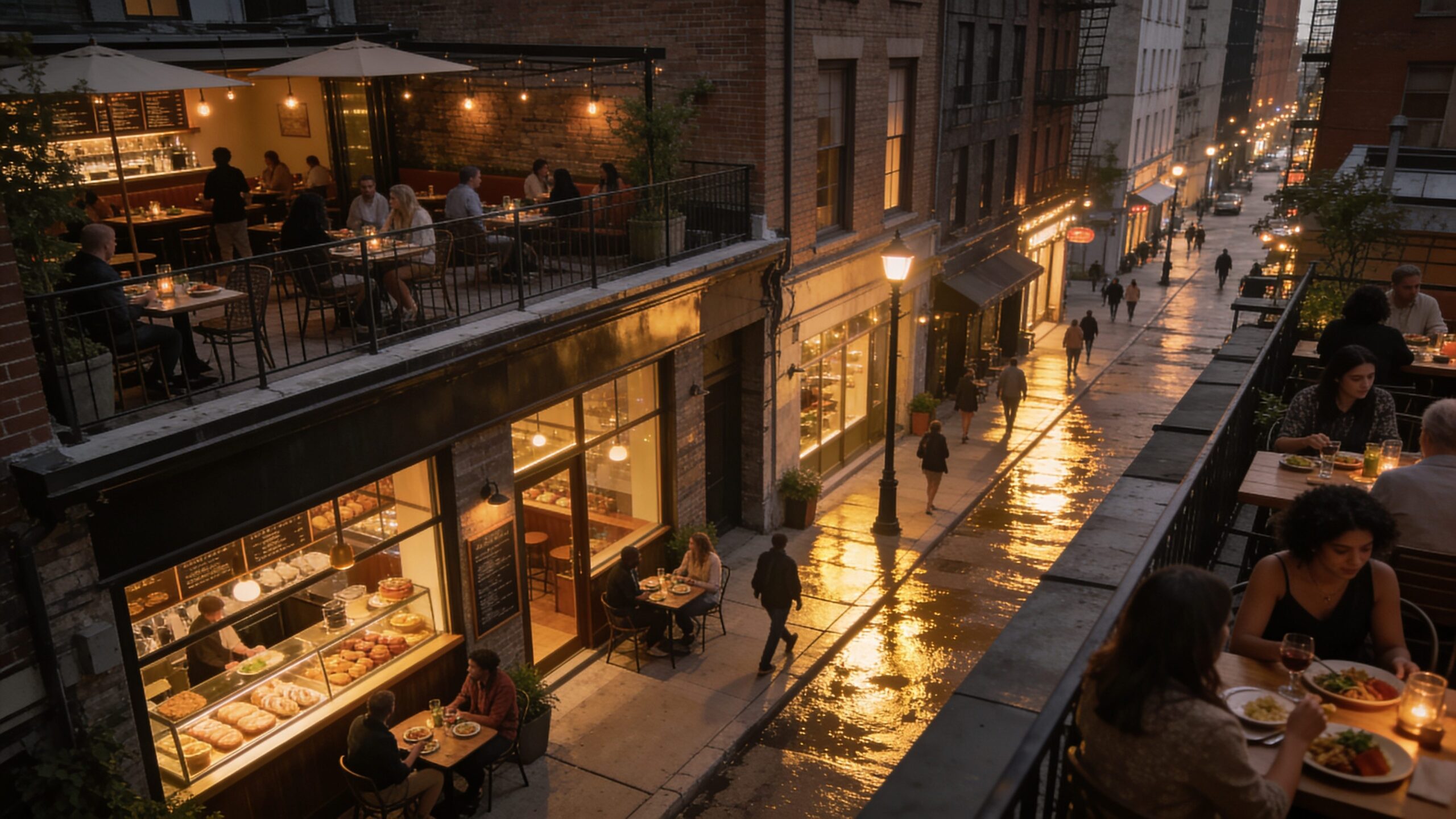
The way people explore cities has changed dramatically. Travelers are no longer satisfied with crowded tourist attractions and predictable entertainment districts. Instead, people are searching for authentic experiences that feel personal, memorable, and connected to real local culture. Hidden neighborhood gems have become the places where those experiences come to life. These neighborhoods offer something larger attractions often cannot: personality. They are filled with cozy cafés, family-owned restaurants, independent boutiques, colorful murals, rooftop patios, music venues, and walkable streets that encourage exploration. Every block feels different, and every corner has the potential to surprise visitors with something unforgettable.
A: Local culture, walkability, independent businesses, and authentic community energy.
A: Travelers want authentic experiences beyond crowded tourist attractions.
A: Cafés, restaurants, markets, boutiques, galleries, and entertainment spaces.
A: It encourages exploration and supports local businesses.
A: Through local ownership, community events, and historic preservation.
A: They offer authentic flavors and memorable dining experiences.
A: Absolutely, especially in revitalized downtown districts.
A: Art creates visual identity and strengthens creative culture.
A: They support small businesses and community interaction.
A: More travelers will seek authentic, community-driven experiences.
The Power of Local Character
What makes a neighborhood truly special is its identity. Some areas are shaped by historic architecture and generations of community traditions, while others thrive through modern creativity, food culture, and artistic energy. Hidden neighborhoods feel alive because they are built around the people who live and work there.
Unlike commercial tourist zones that often feel manufactured, neighborhood gems evolve naturally over time. A small bakery may become a local institution. A forgotten alleyway may turn into an outdoor art gallery. An old warehouse might become a buzzing live music venue. These transformations create neighborhoods that feel authentic instead of designed purely for visitors.
Hidden Food Scenes Worth Exploring
Food is one of the biggest reasons hidden neighborhoods continue gaining attention across America. Some of the country’s best meals are found far away from famous restaurant districts. Hidden food neighborhoods are packed with local flavor, creativity, and atmosphere that chain restaurants simply cannot replicate. Walking through these areas often means discovering tiny taco shops, artisan pizza spots, family-owned bakeries, handmade noodle restaurants, trendy brunch cafés, and late-night dessert bars all within a few blocks. The experience becomes more than just dining. It becomes part of the neighborhood itself.
Why Walkable Neighborhoods Feel More Memorable
Walkability changes how people experience a city. In hidden neighborhood districts, visitors can move naturally from coffee shops to bookstores, restaurants, parks, galleries, and music venues without rushing. That slower pace encourages discovery.
The best moments often happen unexpectedly. You may hear live music drifting from a hidden patio, stumble upon a weekend street market, or notice a tiny café tucked into an old brick building. Walkable neighborhoods create these spontaneous experiences because they encourage people to slow down and notice their surroundings.
Historic Districts With Timeless Appeal
Many of America’s best hidden neighborhood gems are historic districts filled with charm and character. Brick-lined streets, restored theaters, vintage storefronts, and classic architecture create an atmosphere that instantly feels welcoming and memorable. These neighborhoods often balance old and new beautifully. Historic buildings become modern restaurants, creative studios, cocktail lounges, or boutique hotels while still preserving their original personality. That combination of history and modern culture gives these districts a unique energy that visitors cannot find in newer developments.
Art and Creativity on Every Corner
Creative energy is one of the strongest signs of a thriving hidden neighborhood. Murals, public art, independent galleries, handmade goods, and live performances all contribute to the feeling that something exciting is constantly happening.
Art-driven neighborhoods attract people who want experiences beyond traditional shopping or dining. Visitors can spend hours exploring colorful alleyways, browsing local art spaces, attending small concerts, or discovering unique handmade products from local creators. These artistic touches transform ordinary streets into destinations full of personality.
Hidden Nightlife Beyond Tourist Crowds
Some of the best nightlife experiences happen far away from giant entertainment districts. Hidden neighborhood bars, jazz clubs, rooftop lounges, cocktail spaces, and live music venues offer a more intimate and authentic atmosphere. These venues often focus on mood and experience rather than scale. Soft lighting, carefully crafted cocktails, local musicians, and neighborhood regulars create spaces that feel warm and memorable. Instead of feeling like a tourist attraction, the nightlife feels woven into the daily life of the community.
Small Town Neighborhoods Full of Charm
Hidden neighborhood gems are not limited to major cities. Across America, small towns are transforming historic downtown areas into vibrant cultural destinations filled with cafés, breweries, restaurants, boutiques, and seasonal events.
These communities often deliver the same walkable charm and creativity found in larger urban neighborhoods, but at a slower and more relaxed pace. Visitors can enjoy local hospitality, scenic streets, and unique shops without dealing with overwhelming crowds or traffic.
The Rise of Community-Focused Living
Neighborhood culture has become increasingly important as people search for stronger community connections. More homeowners and renters now prioritize neighborhoods with walkability, local businesses, gathering spaces, and cultural activity. A great neighborhood improves daily life. It provides places where people can meet friends, enjoy local food, support independent businesses, and feel connected to their surroundings. Hidden neighborhood gems succeed because they offer more than convenience. They create experiences and relationships.
Hidden Shopping Districts You’ll Want to Explore
Independent shopping districts are another major reason hidden neighborhoods continue growing in popularity. Local bookstores, vintage shops, record stores, artisan markets, and specialty boutiques provide experiences that online shopping cannot replace.
Every shop feels different because it reflects the personality of its owner and the surrounding community. Visitors often discover products they would never find in larger retail centers, making the shopping experience feel far more personal and memorable.
Why Food Markets and Festivals Matter
Neighborhood food markets and seasonal festivals help create the energy that makes hidden districts so exciting. Farmers markets, night markets, cultural festivals, and outdoor food events bring communities together while introducing visitors to local traditions and flavors. These events turn ordinary streets into social gathering spaces filled with music, conversation, food, and creativity. They help neighborhoods feel active and connected while supporting local businesses and artists.
Hidden Neighborhood Cafés and Coffee Culture
Coffee culture has become deeply connected to neighborhood identity across America. Independent cafés now serve as creative hubs where people work remotely, meet friends, read, create art, or simply enjoy the atmosphere.
The best neighborhood cafés are memorable because they feel unique. Some are tucked inside historic buildings with exposed brick and vintage décor, while others embrace modern minimalist design with soft lighting and curated music. These spaces help define the emotional atmosphere of a neighborhood.
Why Travelers Prefer Authentic Neighborhoods
Modern travelers increasingly value authenticity over traditional sightseeing. They want to experience the places locals actually enjoy rather than only visiting crowded tourist landmarks. Hidden neighborhood gems satisfy that desire by offering immersive experiences. Visitors can eat at family-owned restaurants, browse local shops, attend community events, and explore streets shaped by real culture instead of mass tourism. These moments feel more meaningful because they are connected to everyday life.
The Future of Hidden Neighborhood Gems
As cities continue evolving, hidden neighborhoods will likely become even more important. People want environments that combine walkability, creativity, food culture, entertainment, and community interaction. Neighborhoods that provide those experiences will continue attracting both visitors and residents.
Many formerly overlooked areas are already experiencing revitalization through small business growth, artistic development, and community investment. These changes are helping create neighborhoods that feel modern while still preserving local identity and history.
Discoveries That Stay With You
The best hidden neighborhood gems create memories because they feel personal. A quiet bookstore café, a rooftop patio glowing at sunset, a hidden jazz lounge, or a side street lined with murals can leave a stronger impression than many major attractions. These discoveries stay with people because they feel unexpected and authentic. They are not simply places to visit. They are experiences that create emotional connections with a city and its culture.
Final Thoughts
Hidden neighborhood gems you’ll wish you discovered sooner are scattered throughout America waiting to be explored. They exist in historic downtowns, revitalized warehouse districts, coastal communities, creative arts neighborhoods, and quiet residential streets filled with local character.
Whether you are searching for incredible food, nightlife, art, shopping, architecture, or community atmosphere, these neighborhoods offer experiences that feel genuine and unforgettable. They remind us that the most exciting places are often the ones hidden just beyond the obvious tourist path.