The Rise of Neighborhood Exploration
Travelers are no longer satisfied with simply checking famous landmarks off a list. Today, the most memorable adventures often happen on quiet side streets, inside family-owned cafés, around neighborhood markets, and beneath murals painted by local artists. Hidden neighborhood gems offer something bigger attractions rarely can: a real sense of place. Across America, these neighborhoods are becoming destinations of their own. They are where food, fun, culture, history, and community blend into experiences that feel personal and unforgettable.
A: Independent businesses, community events, local culture, and walkability.
A: People want authentic experiences beyond crowded tourist areas.
A: Often yes, because they improve convenience and lifestyle appeal.
A: Cafés, restaurants, markets, galleries, and entertainment venues.
A: Food creates identity, gathering spaces, and memorable experiences.
A: Through local ownership, historic preservation, and community involvement.
A: Art attracts visitors, supports culture, and builds visual identity.
A: They offer more authentic and immersive experiences.
A: Absolutely, especially in revitalized historic downtown areas.
A: Seeking local experiences centered around food, culture, and creativity.
Why Hidden Neighborhood Gems Matter
Hidden neighborhood gems reveal the everyday soul of a city. While tourist districts show the polished version of a place, neighborhoods show how people actually live, gather, eat, shop, and celebrate. They are shaped by local business owners, artists, families, chefs, musicians, and residents who give each block its personality.
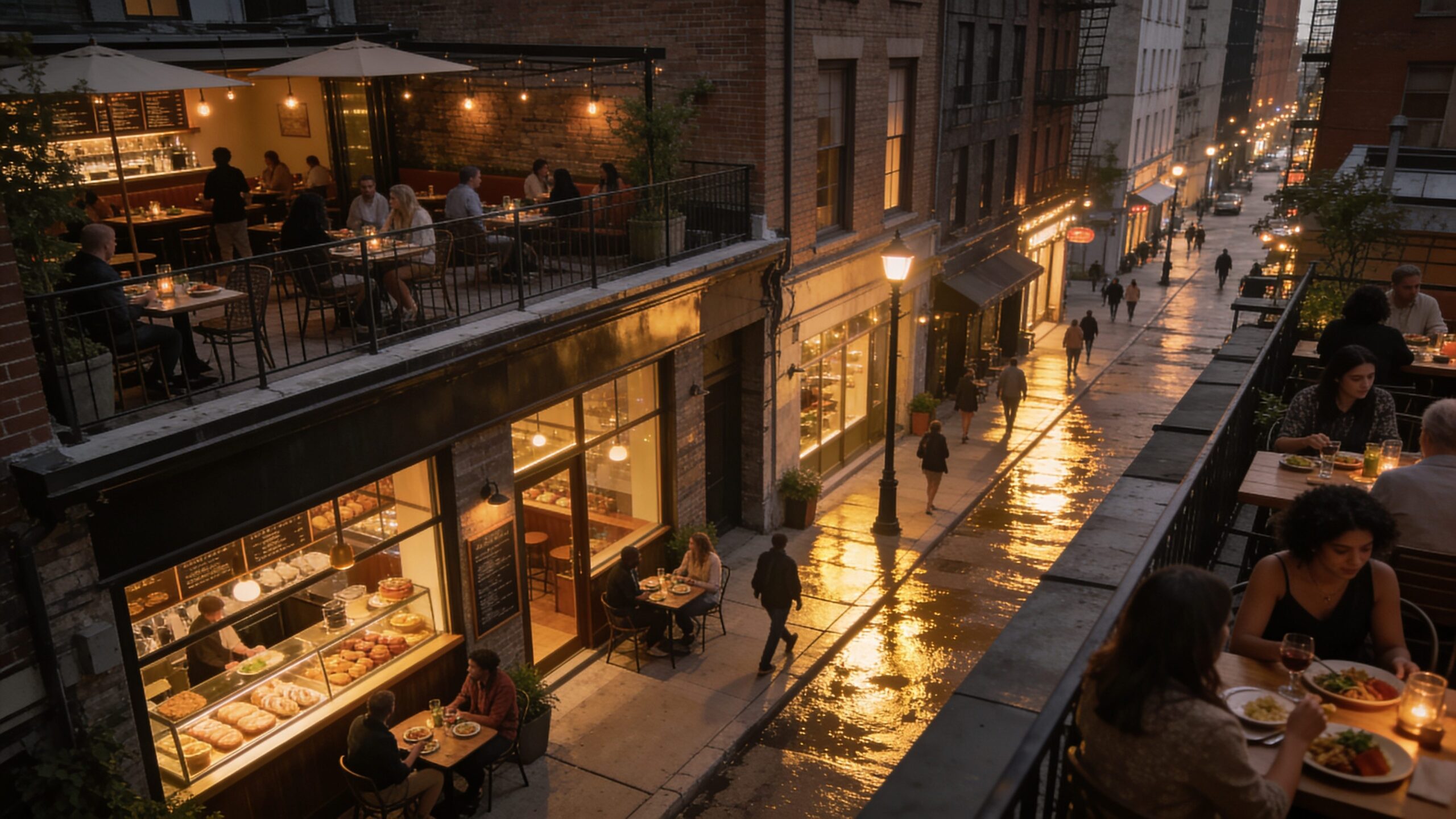
These areas matter because they turn travel into discovery. A visitor might find a tiny bakery with legendary pastries, a courtyard café tucked behind old brick walls, or a music venue where future stars are still playing small rooms. These places feel special because they are rooted in community rather than mass tourism.
Food as the Heart of Local Discovery
Food is often the easiest way to understand a neighborhood. The best hidden food districts are filled with restaurants, bakeries, coffee shops, food trucks, and markets that reflect the culture of the people who live there. Every plate tells a story, whether it comes from a generations-old family recipe or a new chef experimenting with local ingredients. America’s hidden food neighborhoods thrive on variety. You might find handmade tacos, fresh seafood, soul food, Korean barbecue, artisan pizza, farm-to-table brunch, or international street food all within a few blocks. That mix of flavor and personality is what makes neighborhood dining so exciting.
The Magic of Walkable Streets
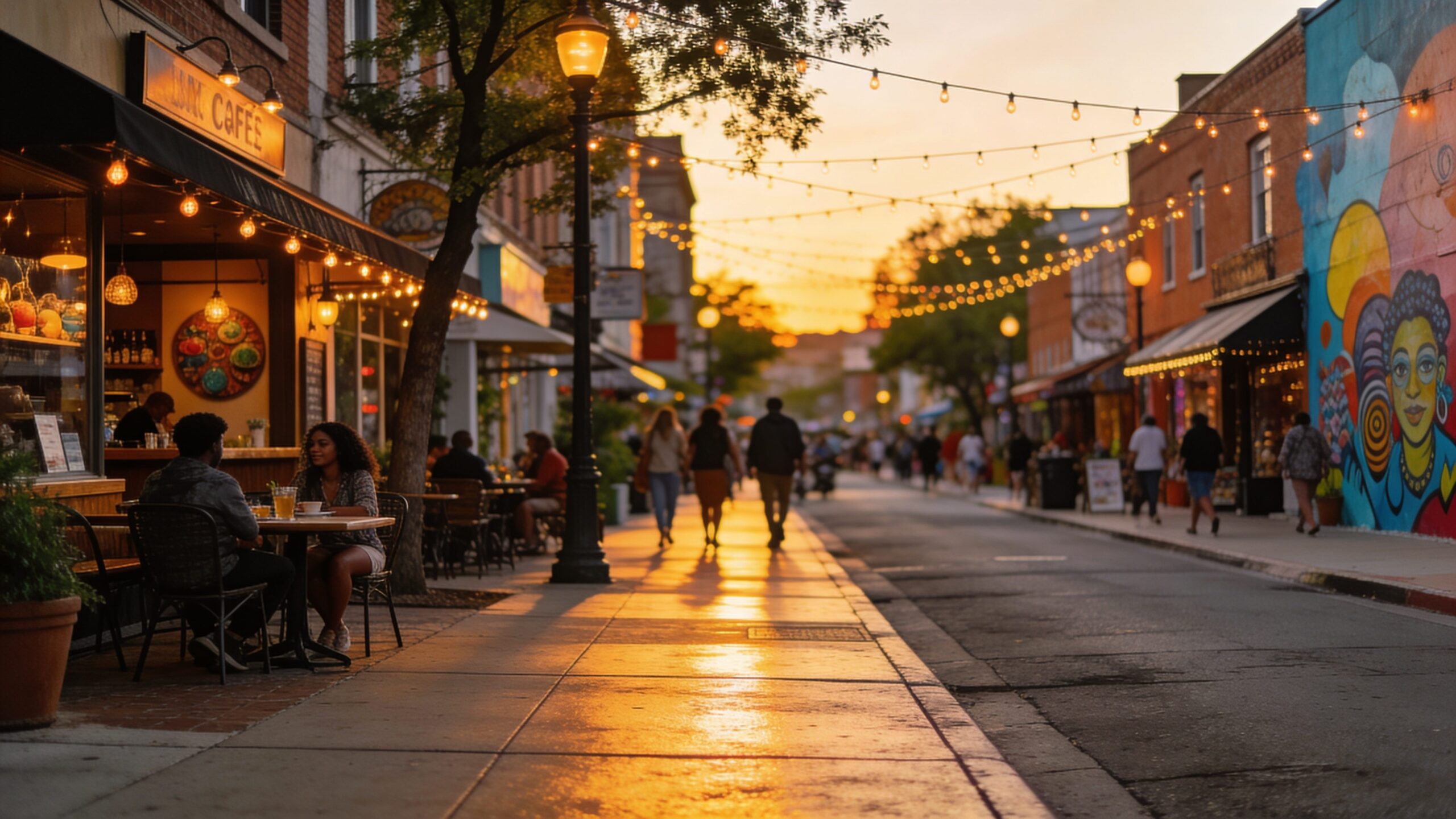
Walkability is one of the biggest reasons hidden neighborhoods become beloved destinations. When cafés, boutiques, galleries, parks, and restaurants sit close together, visitors can explore naturally. The best discoveries often happen between planned stops.
A walkable neighborhood invites people to slow down. Instead of rushing from attraction to attraction, you notice details: old storefront signs, colorful murals, flower-filled patios, historic homes, local musicians, and the smell of fresh bread drifting from a bakery. That slower pace makes the experience feel richer.
Historic Neighborhoods With Character
Some of America’s best hidden gems are historic neighborhoods that have preserved their original charm while welcoming new energy. Brick buildings, restored theaters, old homes, vintage storefronts, and tree-lined streets create an atmosphere that feels timeless. These neighborhoods often become creative hubs because artists, chefs, shop owners, and entrepreneurs are drawn to places with character. A former warehouse might become an art gallery. An old corner store might become a coffeehouse. A historic theater might return as a music venue. The result is a neighborhood that honors the past while staying alive in the present.
Art, Music, and Creative Culture
Hidden neighborhood gems often shine brightest through art and music. Murals turn alleyways into outdoor galleries, small performance spaces give local musicians a stage, and independent shops showcase handmade goods from nearby creators.
This creative energy makes neighborhoods feel alive. Visitors are not just looking at culture from a distance; they are walking through it, hearing it, tasting it, and meeting the people who help create it.
Local Shops and Independent Businesses
Independent businesses give hidden neighborhoods their unique flavor. A locally owned bookstore, record shop, vintage market, bakery, or boutique can become just as memorable as a major attraction. These places often carry products, stories, and personalities you cannot find anywhere else. Supporting these businesses also supports the neighborhood itself. Local shops keep money in the community, create jobs, preserve character, and help prevent every district from feeling the same.
Nightlife Beyond the Tourist Zone
Some of the best nightlife in America happens away from the obvious entertainment districts. Hidden neighborhood bars, jazz lounges, rooftop patios, comedy rooms, and late-night food spots often feel more intimate and authentic than crowded tourist areas.
These places are built around atmosphere. Soft lighting, local music, craft cocktails, good food, and familiar faces create a sense of belonging. Even as a visitor, you can feel like you have stepped into a neighborhood secret.
Small Towns With Big Personality
Hidden neighborhood gems are not limited to big cities. Many small towns across America have revitalized their main streets and downtown districts with cafés, boutiques, breweries, galleries, farmers markets, and seasonal festivals. These smaller communities often deliver charm without the crowds. Visitors can enjoy walkable streets, historic buildings, local food, and genuine hospitality at a more relaxed pace. For many travelers, that slower energy is exactly what makes the experience unforgettable.
Culture You Can Actually Feel
The best hidden neighborhoods are not just pretty places to photograph. They have culture you can feel. It shows up in the food, music, architecture, festivals, conversations, and daily routines of the people who live there.
That feeling cannot be manufactured. It comes from years of community history, local pride, and everyday creativity. When a neighborhood has that kind of energy, visitors remember it long after they leave.
How to Find Hidden Neighborhood Gems
Finding great hidden neighborhoods often starts with curiosity. Look beyond downtown attractions and search for areas known for local food, arts districts, historic streets, farmers markets, independent shops, and live music. Locals are usually the best guides, especially restaurant owners, baristas, shopkeepers, and residents who know which places are truly worth visiting. The best approach is to leave room for wandering. Plan one or two stops, then explore the blocks around them. Hidden gems rarely reveal themselves through rushed itineraries. They are discovered by walking, noticing, tasting, and following the energy of the street.
Why These Neighborhoods Are Growing in Popularity
Hidden neighborhood gems are growing because people want experiences that feel authentic. Travelers want to eat where locals eat, shop where residents shop, and explore areas with real identity. Homeowners and renters also want neighborhoods with personality, walkability, culture, and strong community life.
As more people prioritize lifestyle over convenience alone, neighborhoods with character are becoming more desirable. A great café, local market, art scene, or lively main street can shape how people feel about where they live and visit.
The Future of Neighborhood Travel
The future of American travel will be shaped by neighborhoods as much as landmarks. People will continue seeking places that feel personal, walkable, creative, and community-driven. Hidden neighborhood gems offer exactly that. These places remind us that the best parts of a city are not always the loudest or most famous. Sometimes they are found in quiet courtyards, corner cafés, old theaters, local markets, and streets where everyday life becomes the main attraction.
Final Thoughts
The best hidden neighborhood gems in America for food, fun, and culture are more than places to visit. They are living communities filled with flavor, creativity, history, and connection. They invite people to slow down, explore deeper, and experience a destination through its most authentic details.
Whether you are planning a weekend trip, searching for a new favorite local district, or simply looking for fresh inspiration, America’s neighborhoods are full of discoveries waiting around the next corner.