Why DIY Remodeling Is More Popular Than Ever
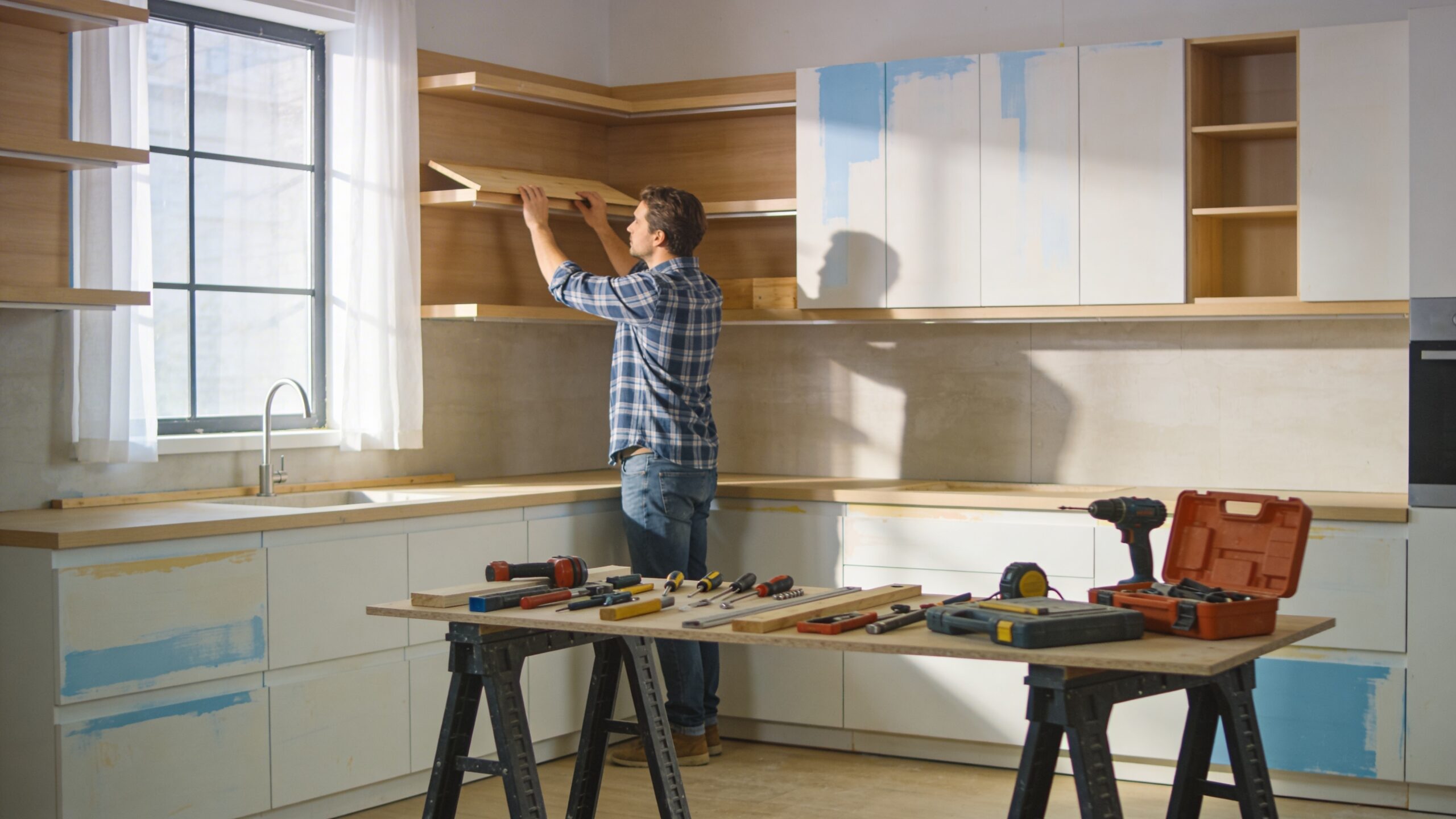
DIY remodeling has become one of the fastest-growing trends in home improvement. With access to tutorials, affordable tools, and creative design inspiration, homeowners are discovering that many renovations can be done without hiring expensive contractors. From painting cabinets to installing shelves or updating lighting, simple projects can dramatically transform living spaces. Beyond saving money, DIY remodeling allows homeowners to take control of their home’s design and functionality. Completing projects with your own hands adds a sense of pride and accomplishment while turning your house into a personalized living environment that reflects your style and needs.
A: Yes, they can significantly reduce labor costs while improving home value.
A: Painting walls or updating lighting fixtures are great beginner projects.
A: Labor costs often represent 30–50% of renovation expenses.
A: Well-executed upgrades often improve buyer appeal.
A: Drills, levels, saws, and measuring tools are essential.
A: Strategic improvements can help attract buyers.
A: Many projects are beginner-friendly with planning and patience.
A: Small projects may take a weekend while larger ones take weeks.
A: Kitchens, bathrooms, and living areas.
A: Start with high-impact rooms used daily.
Planning Your Remodeling Project
Successful DIY remodeling begins with thoughtful planning. Before picking up tools, homeowners should clearly define the purpose of the renovation, the desired outcome, and the budget available for materials. Planning prevents costly mistakes and helps ensure that every improvement contributes to the home’s overall design.
It also helps to evaluate how each room is currently used and how it could function better. Whether improving storage, increasing natural light, or modernizing outdated finishes, identifying the goal of the project helps guide every design and construction decision.
Refreshing Your Kitchen Without Major Construction
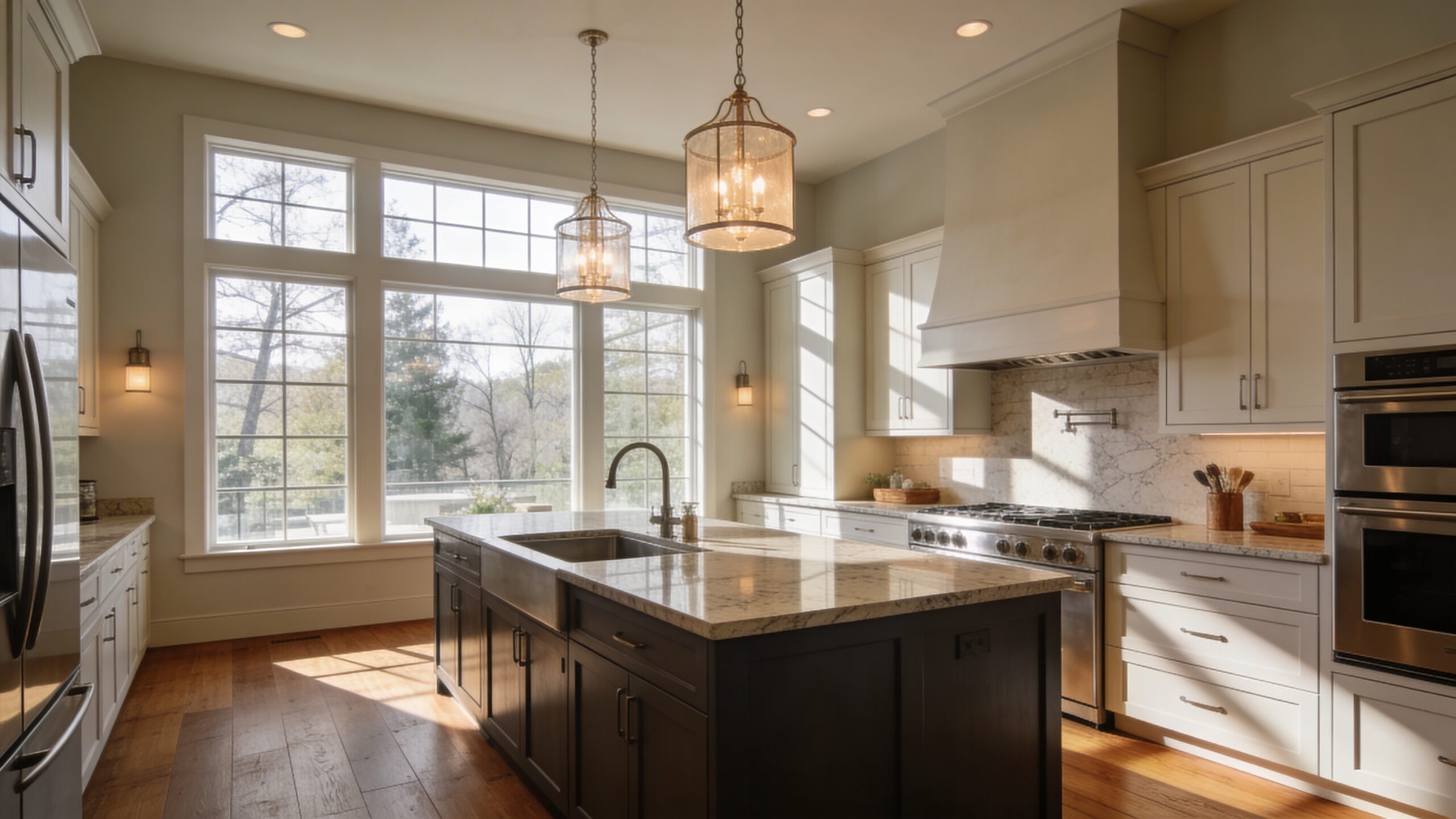
The kitchen is one of the most rewarding rooms to remodel because even small upgrades can make a dramatic difference. Painting cabinets, replacing outdated hardware, and installing a modern backsplash can instantly refresh the look of the entire space without requiring a full renovation. Lighting upgrades also play a major role in kitchen remodeling. Under-cabinet lighting, pendant lights over islands, and brighter ceiling fixtures improve both functionality and atmosphere while giving the kitchen a modern and inviting feel.
Simple Bathroom Upgrades That Make a Big Impact
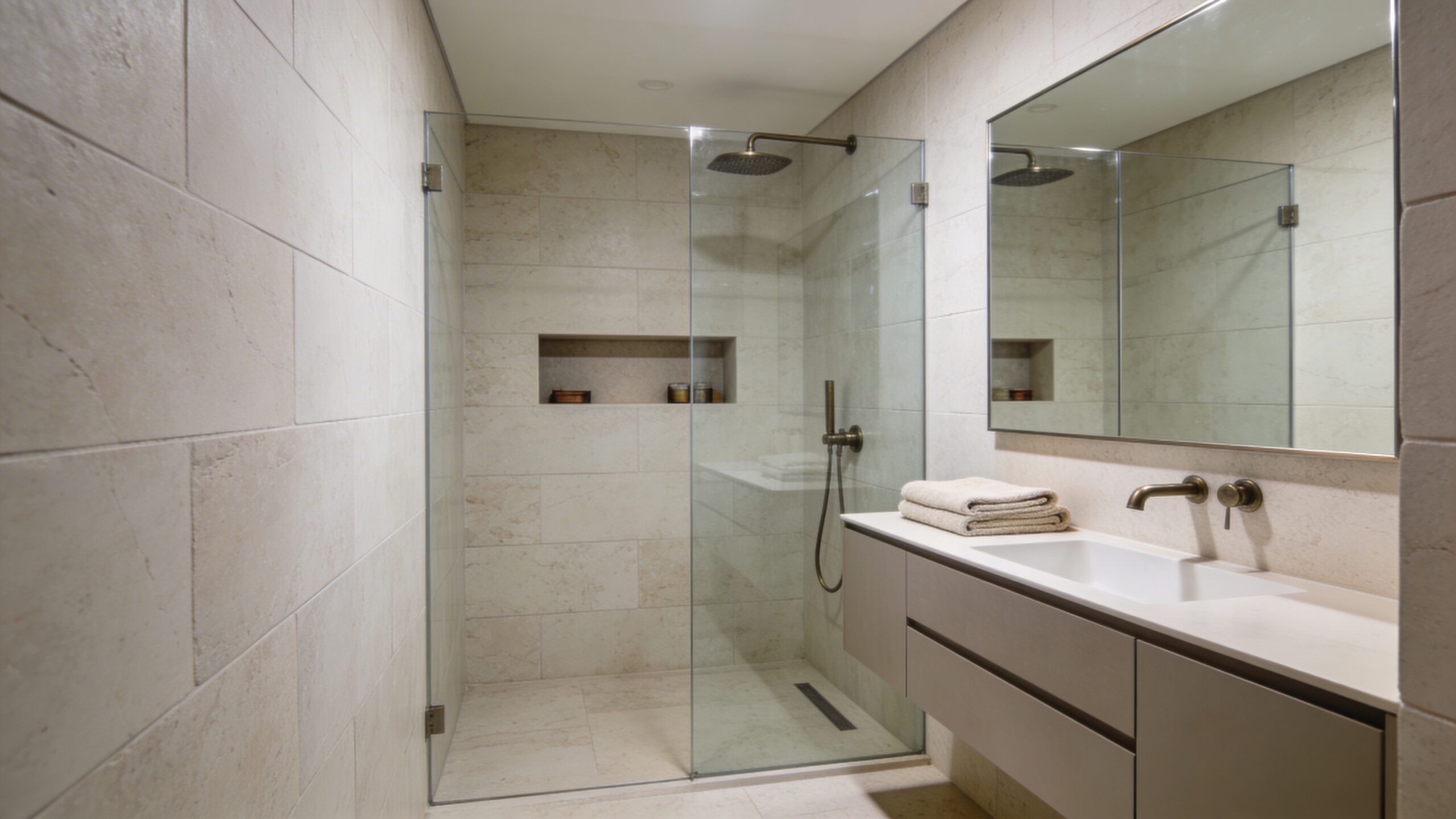
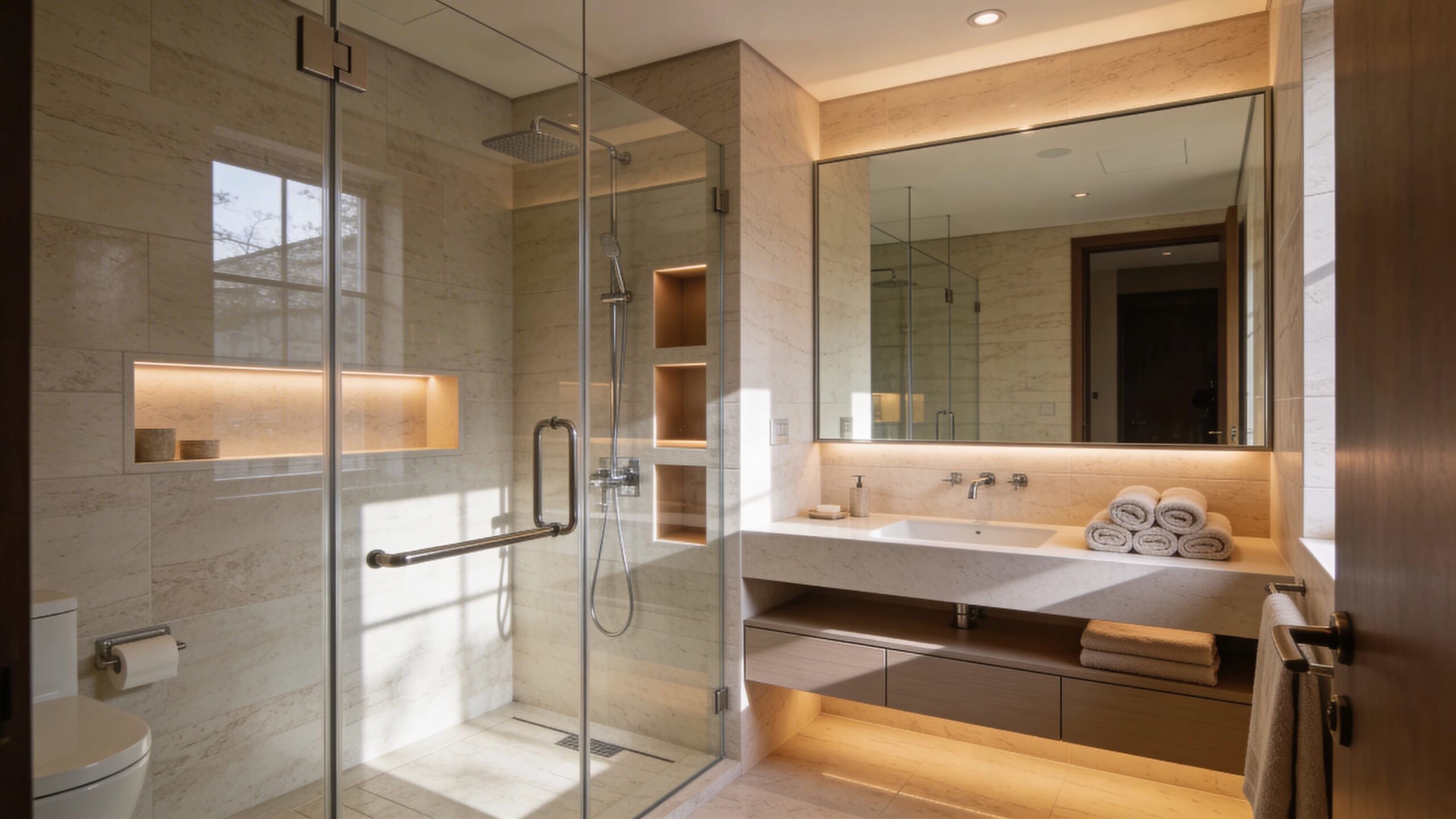
Bathrooms often benefit from DIY remodeling because many improvements are relatively simple to install. Replacing faucets, installing a new vanity, or upgrading mirrors can modernize the room while improving everyday convenience.
Another effective remodeling idea is refreshing wall surfaces with tile, waterproof panels, or fresh paint. These upgrades protect walls from moisture while adding visual interest and helping the bathroom feel cleaner, brighter, and more comfortable.
Transforming Your Living Room
The living room serves as the central gathering space in most homes, making it an ideal place for remodeling improvements. Installing built-in shelving, upgrading lighting fixtures, or creating a feature wall can dramatically improve the room’s design and functionality. Accent walls using wood panels, textured paint, or decorative molding are especially popular DIY projects. These upgrades add depth and character to the room while allowing homeowners to experiment with creative design ideas.
Creating Smart Storage Solutions
One of the most practical DIY remodeling strategies is improving storage throughout the home. Smart storage solutions help eliminate clutter while making everyday living more efficient and organized.
Closet shelving systems, entryway storage benches, and built-in cabinets are excellent examples of upgrades that combine style with practicality. Even small improvements like wall-mounted hooks or floating shelves can significantly improve how a home functions.
Refreshing Floors and Walls
Few remodeling upgrades are as impactful as refreshing a home’s surfaces. New paint colors, updated flooring, and improved trim details can instantly modernize older homes. Painting remains one of the most affordable ways to transform a room. Meanwhile, modern flooring materials such as vinyl plank or engineered wood offer durable, stylish options that many homeowners can install themselves with basic tools.
Upgrading Lighting Throughout the Home
Lighting plays a crucial role in how a home looks and feels, yet it is often overlooked during remodeling projects. Upgrading lighting fixtures can dramatically change the atmosphere of a room while improving functionality.
Adding recessed lighting, wall sconces, or layered lighting designs helps create a more balanced and inviting environment. Well-designed lighting can highlight architectural features and make rooms appear larger and brighter.
Expanding Outdoor Living Spaces
Outdoor remodeling projects allow homeowners to expand their living areas beyond the walls of the house. Building a deck, adding a patio seating area, or installing pergolas can transform a backyard into a relaxing gathering space. Outdoor lighting and landscaping also enhance the atmosphere of exterior spaces. These upgrades improve both usability and curb appeal while increasing the overall enjoyment of the property.
Improving Entryways and First Impressions
Entryways create the first impression of a home, making them a powerful remodeling opportunity. Simple upgrades such as replacing the front door, installing new lighting, or adding decorative trim can dramatically improve curb appeal.
Inside the home, entryway improvements often include benches, storage hooks, and small cabinets that help organize everyday items. These features make the home feel more welcoming while keeping clutter under control.
Choosing Projects That Add Long-Term Value
While DIY remodeling often begins as a personal improvement project, many upgrades also increase the value of the home. Kitchen and bathroom improvements consistently provide some of the best returns on investment. Energy-efficient upgrades such as LED lighting, improved insulation, and modern windows can also attract buyers in the future. Even smaller improvements like fresh paint, improved storage, and updated fixtures contribute to a home’s long-term appeal.
The Reward of DIY Remodeling
DIY remodeling is more than just home improvement—it is an opportunity to create spaces that better match your lifestyle. Each completed project builds new skills and confidence while making the home more comfortable and enjoyable.
Over time, small improvements can lead to remarkable transformations. With creativity, planning, and patience, homeowners can turn ordinary houses into personalized spaces filled with character, comfort, and lasting value.