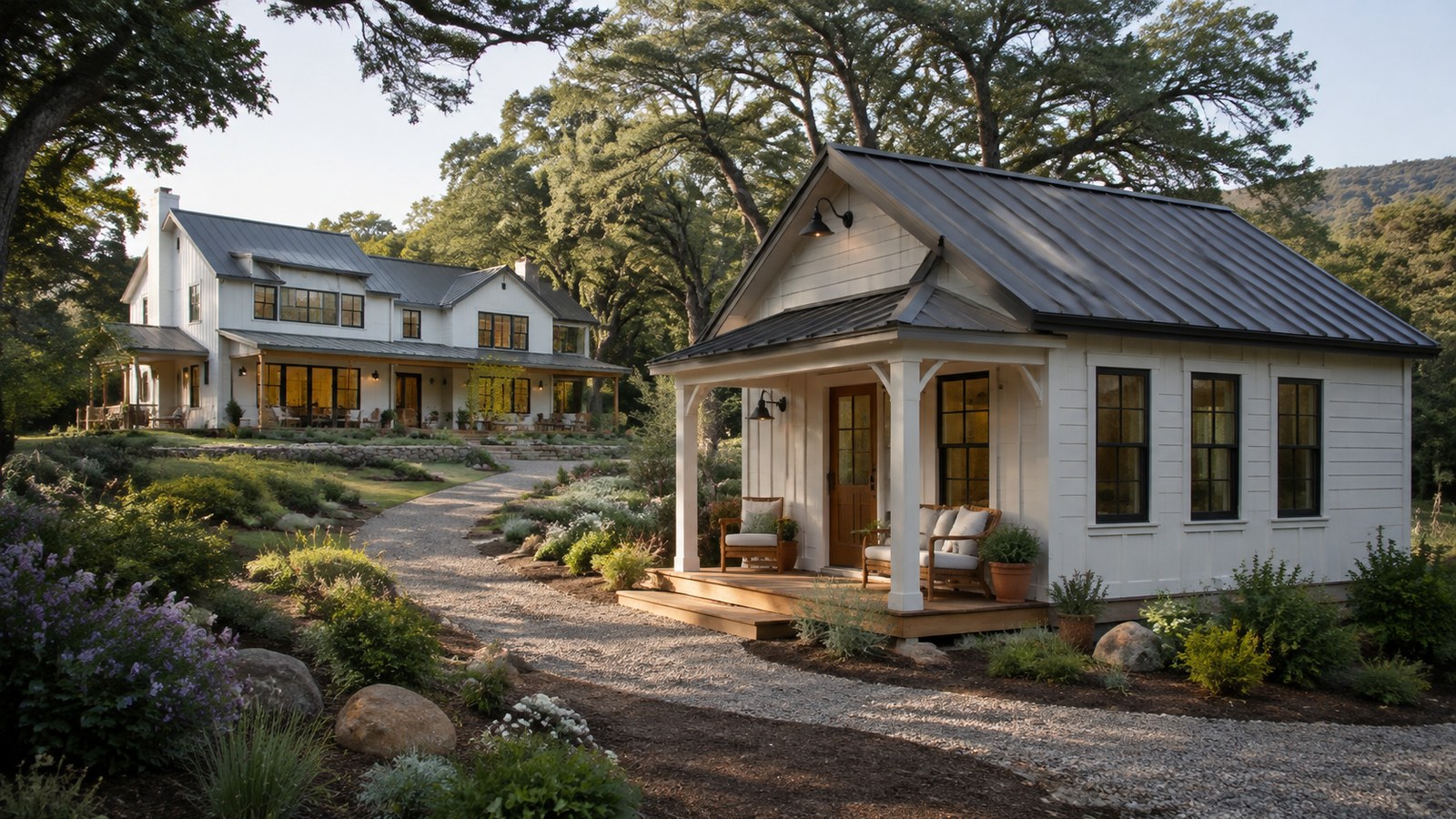
Making Sense of Tiny Homes vs ADUs
Tiny Homes vs ADUs: Which Adds More Value to Rural Real Estate? is easier to understand when the conversation moves past surface style and into lived experience. For Redford Street readers, the useful questions are specific: what improves comfort, what protects value, what creates hidden maintenance, and what makes the home feel better after the first impression fades? This guide looks at tiny homes through those practical filters, with attention to utility planning, maintenance rhythm, driveway access, and the everyday decisions that make a house easier to own.
Start With Utility Planning
tiny homes can look simple from the outside, yet maintenance rhythm usually decides whether the choice lasts. Owners get better tiny homes results when they protect utility planning, improve maintenance rhythm, and let driveway access evolve. Over time, tiny homes benefits more from that clarity than from one expensive focal point.
A strong tiny homes plan starts where weather resilience already creates friction for the household. In tiny homes, a detail that supports maintenance rhythm may outrank a showier upgrade that complicates driveway access. That gives tiny homes a usefulness that lasts beyond the first photograph.
Look Closely at Maintenance Rhythm
When buyers compare tiny homes, driveway access often explains more than the dramatic feature in the photograph. Owners get better tiny homes results when they protect driveway access, improve weather resilience, and let privacy buffers evolve. That balance gives tiny homes lasting value.
Where Driveway Access Changes the Decision
When buyers compare tiny homes, weather resilience often explains more than the dramatic feature in the photograph. The strongest tiny homes examples use weather resilience as a guide, then let privacy buffers reinforce land stewardship. That gives tiny homes a usefulness that lasts beyond the first photograph.
When buyers compare tiny homes, privacy buffers often explains more than the dramatic feature in the photograph. For tiny homes, weigh privacy buffers, land stewardship, and utility planning as one connected decision. That gives tiny homes a usefulness that lasts beyond the first photograph.
A home shaped around tiny homes should let maintenance rhythm feel specific to the property, not generic. For tiny homes, land stewardship becomes a lived test rather than a design phrase. The finished tiny homes result should feel edited, useful, and easy to explain.
How Weather Resilience Shapes Daily Life
tiny homes works best when utility planning leads the first decision instead of decoration. Owners get better tiny homes results when they protect utility planning, improve maintenance rhythm, and let driveway access evolve. That gives tiny homes a usefulness that lasts beyond the first photograph.
Before spending money on tiny homes, name the tradeoff between maintenance rhythm and driveway access. Owners get better tiny homes results when they protect maintenance rhythm, improve driveway access, and let weather resilience evolve. It keeps tiny homes from drifting into upgrades that look busy but solve very little.
What Privacy Buffers Reveals Over Time
When buyers compare tiny homes, driveway access often explains more than the dramatic feature in the photograph. If driveway access feels unresolved inside tiny homes, purchases tied to weather resilience often create clutter instead of comfort. Handled this way, tiny homes gains character without becoming harder to live with.
The Role of Land Stewardship
The useful way into tiny homes is to test privacy buffers during ordinary routines before resale enters the discussion. For tiny homes, weigh weather resilience, privacy buffers, and land stewardship as one connected decision. It keeps tiny homes from drifting into upgrades that look busy but solve very little.
The useful way into tiny homes is to test land stewardship during ordinary routines before resale enters the discussion. The tiny homes choice becomes clearer when privacy buffers is measured against land stewardship during nights, weekends, and busy seasons. Over time, tiny homes benefits more from that clarity than from one expensive focal point.
The best examples of tiny homes make maintenance rhythm easier without flattening the home’s character. For tiny homes, weigh land stewardship, utility planning, and maintenance rhythm as one connected decision. Over time, tiny homes benefits more from that clarity than from one expensive focal point.
Mistakes That Make Tiny Homes Harder
When buyers compare tiny homes, utility planning often explains more than the dramatic feature in the photograph. For tiny homes, utility planning becomes a lived test rather than a design phrase. Handled this way, tiny homes gains character without becoming harder to live with.
A strong tiny homes plan starts where weather resilience already creates friction for the household. Good tiny homes planning keeps maintenance rhythm visible, driveway access manageable, and weather resilience flexible. The goal for tiny homes is a home that feels more settled after the work is done.
Final Buying and Design Takeaways
A home shaped around tiny homes should let privacy buffers feel specific to the property, not generic. The strongest tiny homes examples use driveway access as a guide, then let weather resilience reinforce privacy buffers. Handled this way, tiny homes gains character without becoming harder to live with.
One More Check on Weather Resilience
A home shaped around tiny homes should let land stewardship feel specific to the property, not generic. In tiny homes, a detail that supports weather resilience may outrank a showier upgrade that complicates privacy buffers. That gives tiny homes a usefulness that lasts beyond the first photograph. tiny homes works best when maintenance rhythm leads the first decision instead of decoration. Owners get better tiny homes results when they protect maintenance rhythm, improve utility planning, and let land stewardship evolve. That gives tiny homes a usefulness that lasts beyond the first photograph.
One More Check on Land Stewardship
When buyers compare tiny homes, land stewardship often explains more than the dramatic feature in the photograph. For tiny homes, land stewardship becomes a lived test rather than a design phrase. That gives tiny homes a usefulness that lasts beyond the first photograph. A home shaped around tiny homes should let weather resilience feel specific to the property, not generic. If land stewardship feels unresolved inside tiny homes, purchases tied to privacy buffers often create clutter instead of comfort. The finished tiny homes result should feel edited, useful, and easy to explain.
One More Check on Maintenance Rhythm
When buyers compare tiny homes, maintenance rhythm often explains more than the dramatic feature in the photograph. Owners get better tiny homes results when they protect maintenance rhythm, improve driveway access, and let weather resilience evolve. Over time, tiny homes benefits more from that clarity than from one expensive focal point. When buyers compare tiny homes, weather resilience often explains more than the dramatic feature in the photograph. The strongest tiny homes examples use weather resilience as a guide, then let driveway access reinforce maintenance rhythm. The goal for tiny homes is a home that feels more settled after the work is done.
One More Check on Weather Resilience
A strong tiny homes plan starts where land stewardship already creates friction for the household. Good tiny homes planning keeps weather resilience visible, privacy buffers manageable, and land stewardship flexible. Over time, tiny homes benefits more from that clarity than from one expensive focal point. When buyers compare tiny homes, maintenance rhythm often explains more than the dramatic feature in the photograph. For tiny homes, weigh maintenance rhythm, utility planning, and land stewardship as one connected decision. The finished tiny homes result should feel edited, useful, and easy to explain.
One More Check on Land Stewardship
A strong tiny homes plan starts where maintenance rhythm already creates friction for the household. If land stewardship feels unresolved inside tiny homes, purchases tied to utility planning often create clutter instead of comfort. The finished tiny homes result should feel edited, useful, and easy to explain. A home shaped around tiny homes should let weather resilience feel specific to the property, not generic. In tiny homes, a detail that supports land stewardship may outrank a showier upgrade that complicates privacy buffers. That balance gives tiny homes lasting value.
One More Check on Maintenance Rhythm
The useful way into tiny homes is to test driveway access during ordinary routines before resale enters the discussion. If maintenance rhythm feels unresolved inside tiny homes, purchases tied to driveway access often create clutter instead of comfort. Handled this way, tiny homes gains character without becoming harder to live with. When buyers compare tiny homes, weather resilience often explains more than the dramatic feature in the photograph. If weather resilience feels unresolved inside tiny homes, purchases tied to driveway access often create clutter instead of comfort. Handled this way, tiny homes gains character without becoming harder to live with.
One More Check on Weather Resilience
tiny homes works best when weather resilience leads the first decision instead of decoration. For tiny homes, weigh weather resilience, privacy buffers, and land stewardship as one connected decision. It keeps tiny homes from drifting into upgrades that look busy but solve very little. Before spending money on tiny homes, name the tradeoff between maintenance rhythm and utility planning. Good tiny homes planning keeps maintenance rhythm visible, utility planning manageable, and land stewardship flexible. The finished tiny homes result should feel edited, useful, and easy to explain.
One More Check on Land Stewardship
The best examples of tiny homes make maintenance rhythm easier without flattening the home’s character. Good tiny homes planning keeps land stewardship visible, utility planning manageable, and maintenance rhythm flexible. The finished tiny homes result should feel edited, useful, and easy to explain. tiny homes works best when land stewardship leads the first decision instead of decoration. The tiny homes choice becomes clearer when land stewardship is measured against privacy buffers during nights, weekends, and busy seasons. It keeps tiny homes from drifting into upgrades that look busy but solve very little.
One More Check on Maintenance Rhythm
Before spending money on tiny homes, name the tradeoff between maintenance rhythm and driveway access. For tiny homes, weigh maintenance rhythm, driveway access, and weather resilience as one connected decision. The goal for tiny homes is a home that feels more settled after the work is done. tiny homes works best when weather resilience leads the first decision instead of decoration. Owners get better tiny homes results when they protect weather resilience, improve driveway access, and let maintenance rhythm evolve. Over time, tiny homes benefits more from that clarity than from one expensive focal point.
One More Check on Weather Resilience
A strong tiny homes plan starts where land stewardship already creates friction for the household. For tiny homes, weigh weather resilience, privacy buffers, and land stewardship as one connected decision. The goal for tiny homes is a home that feels more settled after the work is done. A home shaped around tiny homes should let land stewardship feel specific to the property, not generic. In tiny homes, a detail that supports maintenance rhythm may outrank a showier upgrade that complicates utility planning. Those alignments make tiny homes feel intentional instead of merely updated.
One More Check on Land Stewardship
tiny homes works best when land stewardship leads the first decision instead of decoration. The strongest tiny homes examples use land stewardship as a guide, then let utility planning reinforce maintenance rhythm. That gives tiny homes a usefulness that lasts beyond the first photograph. tiny homes works best when land stewardship leads the first decision instead of decoration. Owners get better tiny homes results when they protect land stewardship, improve privacy buffers, and let weather resilience evolve. Those alignments make tiny homes feel intentional instead of merely updated.