Why Curb Appeal Is the Fastest Way to Increase Home Value
Curb appeal is more than just aesthetics—it is the first impression your home makes, and in real estate, first impressions often translate directly into perceived value. Buyers begin forming opinions the moment they see a property from the street, and a well-designed exterior can instantly elevate expectations for what lies inside. In many cases, homes with strong curb appeal sell faster and command higher offers, simply because they appear better maintained and more desirable. What makes curb appeal especially powerful is its efficiency. Compared to full interior renovations, exterior upgrades often require less time and money while delivering disproportionately high returns. A fresh coat of paint, updated landscaping, and thoughtful lighting can transform an ordinary home into a standout property. These visible improvements signal care, quality, and pride of ownership, all of which influence how buyers—and appraisers—assess value.
A: Cleaning, painting, and basic landscaping.
A: No, small updates can make a big impact.
A: Exterior paint and landscaping.
A: With maintenance, several years or more.
A: Yes, especially for nighttime appeal.
A: Stick to timeless styles for best ROI.
A: Yes, it influences perceived condition.
A: Seasonally for best results.
A: Yes, it attracts more buyers quickly.
A: Neglecting maintenance and cohesion.
The Psychology Behind Before and After Transformations
Before-and-after transformations resonate because they tap into human perception. When people see a dramatic contrast, they instinctively assign value to the improvement. A worn exterior may suggest hidden problems, while a refreshed one implies a well-maintained and move-in-ready home. This psychological shift can significantly affect how much buyers are willing to pay.
Visual upgrades also create emotional appeal. A welcoming front yard, a clean walkway, and a well-lit entrance invite people to imagine themselves living there. This emotional connection is often what turns interest into action. When buyers feel confident and inspired, they are more likely to make competitive offers, driving up the home’s final sale price.
Transformation #1: Exterior Paint That Redefines the Entire Home
One of the most impactful curb appeal transformations begins with paint. Faded, outdated colors can make even structurally sound homes appear neglected. In contrast, a fresh, modern color palette instantly revitalizes the exterior and creates a cohesive, polished look. Neutral tones with subtle contrast—such as soft grays paired with crisp white trim—are especially effective at appealing to a wide range of buyers. The “after” effect of repainting is often dramatic. Clean lines, refreshed surfaces, and a unified color scheme can make a home look newer and more valuable. This relatively simple upgrade can yield significant returns, particularly when paired with updated shutters, trim, or accents that enhance architectural details.
Transformation #2: Landscaping That Frames the Property
Landscaping plays a crucial role in how a home is perceived. Overgrown shrubs, patchy lawns, and neglected garden beds can make a property feel uninviting. In a before-and-after transformation, landscaping often delivers one of the most striking visual improvements.
The “after” version typically includes neatly trimmed hedges, vibrant plants, defined garden beds, and a healthy lawn. Strategic layering of greenery adds depth and dimension, while seasonal color creates visual interest. These upgrades not only improve aesthetics but also make the property feel well cared for, which directly impacts its market value.
Transformation #3: Front Entry Upgrades That Create a Focal Point
The front entry is the centerpiece of curb appeal. A worn door, outdated hardware, or poor lighting can detract from the entire exterior. In contrast, a bold, updated entry creates a strong focal point that draws attention and adds character. After a transformation, the entryway often features a freshly painted door, modern fixtures, and improved lighting. Small details, such as updated house numbers or a new mailbox, contribute to a cohesive design. These enhancements may seem minor individually, but together they create a welcoming and memorable first impression that adds measurable value.
Transformation #4: Driveway and Walkway Improvements
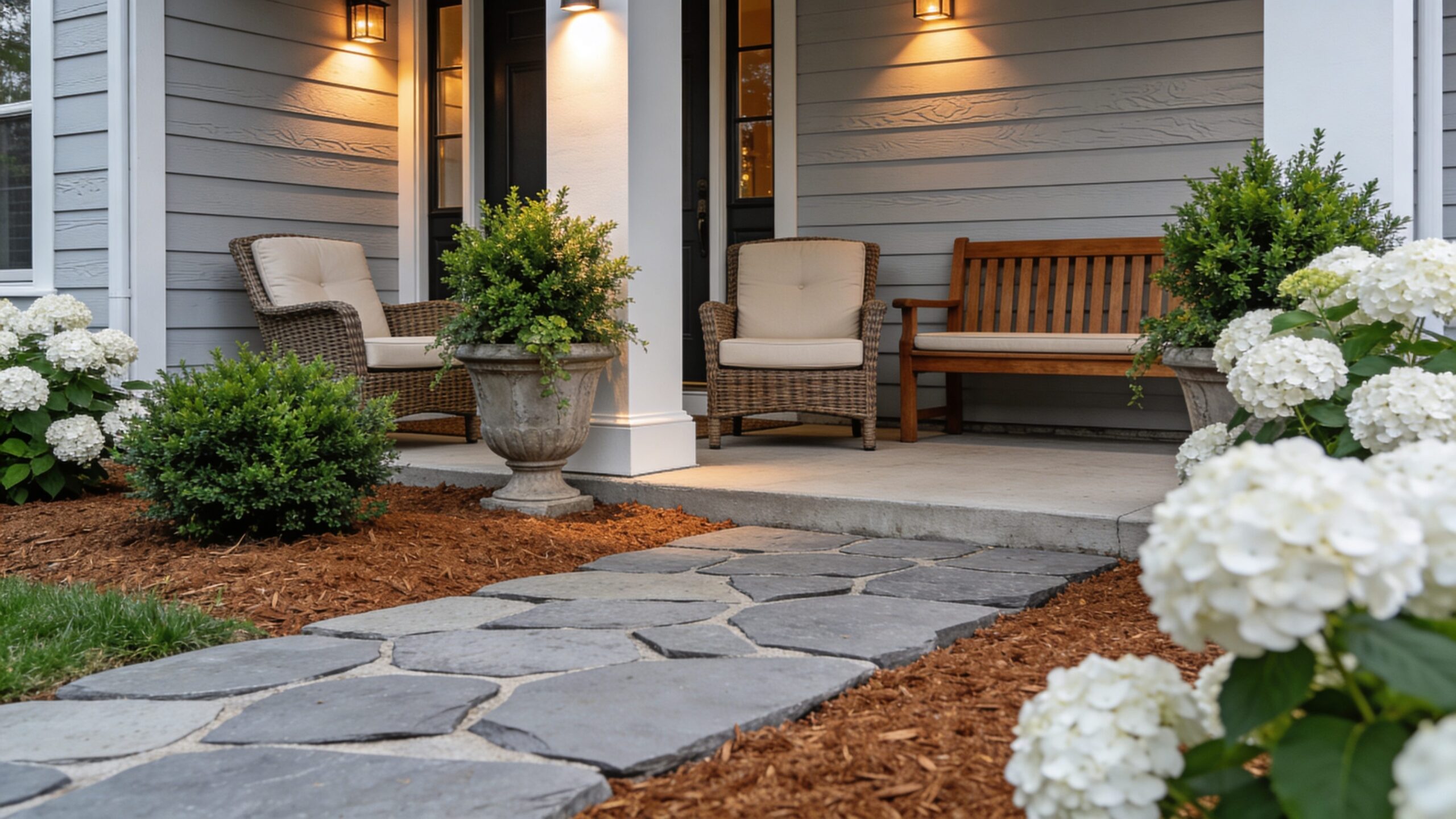
Driveways and walkways are frequently overlooked, yet they occupy a large portion of the home’s exterior. Cracks, stains, and uneven surfaces can diminish curb appeal and signal neglect. Transforming these elements can dramatically improve the overall presentation.
In the “after” scenario, resurfaced driveways, clean edges, and upgraded materials such as pavers or stamped concrete create a more refined look. Walkways that guide visitors naturally toward the entrance enhance both functionality and aesthetics. These improvements not only boost visual appeal but also contribute to a sense of quality and durability.
Transformation #5: Exterior Lighting That Elevates Nighttime Appeal
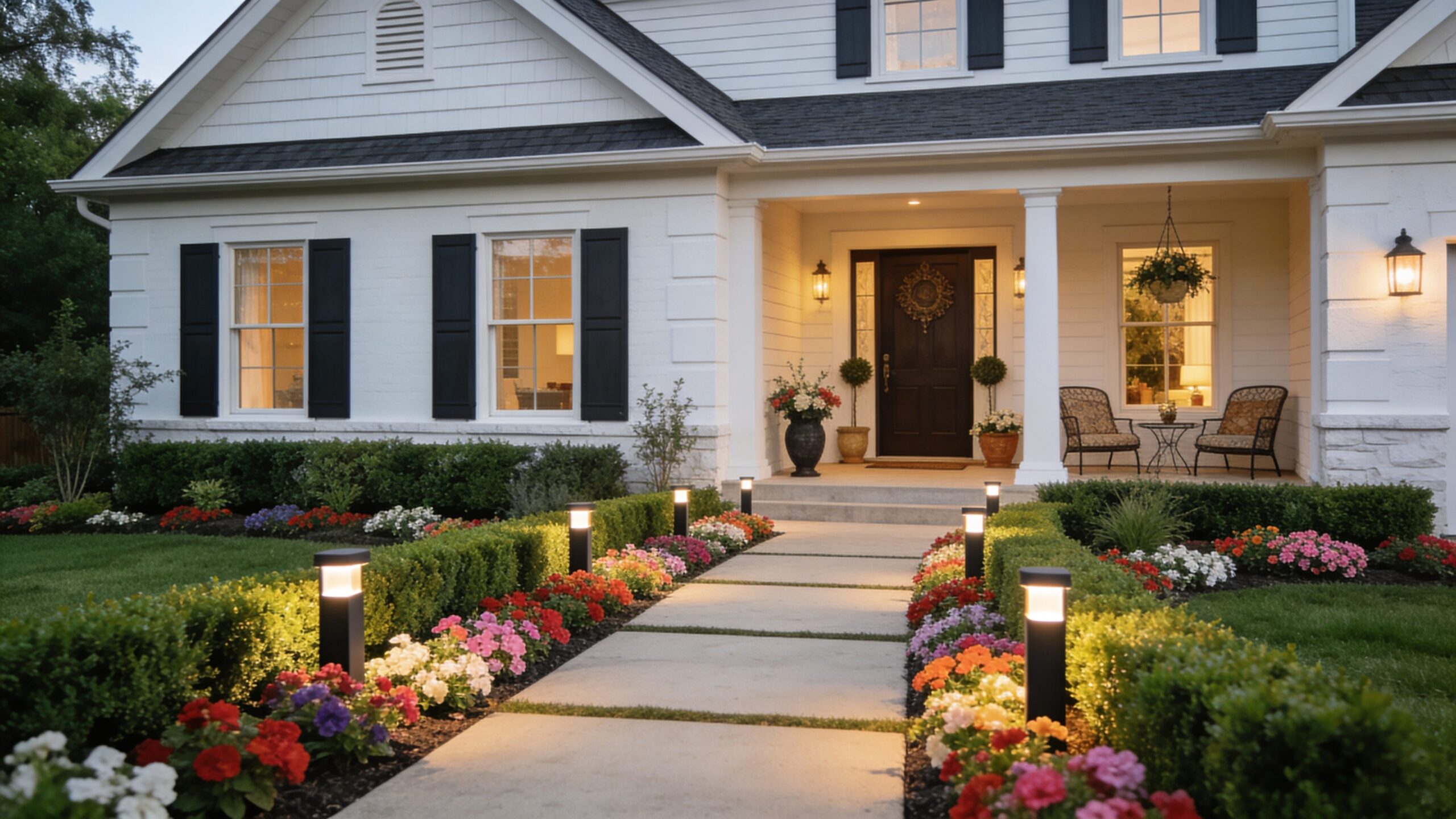
Curb appeal does not end when the sun sets. Exterior lighting plays a vital role in showcasing a home after dark. Poor lighting can make a property feel uninviting or even unsafe, while well-designed lighting enhances architectural features and creates ambiance. After a lighting transformation, homes often feature pathway lights, accent lighting, and warm illumination around the entry. These upgrades highlight landscaping, improve visibility, and add a layer of sophistication. Evening curb appeal can be a deciding factor for buyers viewing homes at different times of day, making lighting a valuable investment.
Transformation #6: Roofing and Structural Refreshes
While not always the most visible upgrade, the condition of the roof and structural elements significantly impacts curb appeal. A worn or outdated roof can detract from an otherwise attractive exterior. Replacing or restoring these components can dramatically change the home’s appearance.
In before-and-after comparisons, a new roof often ties together the entire design, complementing paint, landscaping, and architectural details. Clean gutters, updated trim, and repaired siding further enhance the transformation. These improvements signal long-term reliability, which is highly appealing to buyers and adds to perceived value.
Budget vs. High-End Transformations
Curb appeal transformations can be tailored to any budget. Simple updates, such as cleaning, painting, and minor landscaping, can produce impressive results without significant expense. These budget-friendly improvements are ideal for homeowners looking to maximize value quickly. On the other end of the spectrum, high-end transformations may include new siding, custom hardscaping, or premium lighting systems. While these projects require a larger investment, they can dramatically elevate the home’s appearance and attract higher-end buyers. The key is to align the level of investment with the neighborhood and market expectations.
Real ROI: How Much Value Can You Add?
The return on investment for curb appeal improvements is often substantial. In many cases, homeowners can recoup a significant portion of their costs through increased home value and faster sales. Some projects, such as landscaping and exterior paint, consistently rank among the highest ROI improvements in home renovation.
Beyond financial returns, curb appeal also reduces time on the market. Homes that look appealing from the outside attract more interest, leading to more showings and potentially multiple offers. This competitive environment can drive up the final sale price, further increasing the value of the transformation.
Common Mistakes to Avoid in Curb Appeal Projects
While curb appeal transformations can be highly effective, certain mistakes can limit their impact. Over-personalization, for example, may appeal to the homeowner but not to potential buyers. Choosing overly bold colors or unconventional designs can reduce broad appeal. Another common issue is neglecting maintenance. Even the most beautiful transformation will lose its impact if it is not properly maintained. Consistency is key, and ongoing care ensures that the improvements continue to add value over time.
Creating Your Own Before and After Transformation Plan
Planning a curb appeal transformation begins with evaluating the current state of the home. Identifying areas that need improvement allows homeowners to prioritize upgrades that will have the greatest impact. Focusing on high-visibility elements, such as the front yard, entry, and exterior surfaces, ensures that efforts are directed where they matter most.
A successful transformation also involves creating a cohesive design. Colors, materials, and landscaping should work together to create a unified look. By approaching the project with a clear vision, homeowners can achieve a transformation that feels intentional and professionally executed.
The Lasting Impact of Curb Appeal
Before-and-after curb appeal transformations are powerful because they combine visual impact with tangible value. They demonstrate how thoughtful design and strategic upgrades can turn an ordinary home into an extraordinary one. Whether preparing to sell or simply enhancing personal enjoyment, investing in curb appeal delivers benefits that extend beyond the surface. Ultimately, the exterior of a home sets the tone for everything that follows. A well-executed transformation not only increases value but also creates a sense of pride and satisfaction. In a competitive housing market, that combination of beauty and value can make all the difference.